
How to buy a mobile home
Disclosure: As an Amazon Associate, we earn from qualifying purchases at no extra cost to you. This post may contain affiliate links, meaning we may receive a small commission if you make a purchase through them.
Hey folks, I’ve been writing about real estate and home buying for years now, and one topic that keeps coming up is mobile homes—or manufactured homes, as most of us call the newer ones these days. They’re a solid option for a lot of people looking to own without breaking the bank, especially with traditional house prices still crazy high as we head into 2026. If you’re thinking about buying one, here’s everything I’ve learned from talking to buyers, lenders, and dealers over the years. I’ll walk you through it straight.
First off, understand what you’re actually buying. People throw around “mobile home” for anything factory-built, but technically, homes built before June 1976 are old-school mobile homes with looser standards. Anything after that is a manufactured home, built to federal HUD codes for safety, energy efficiency, and durability. They’re way better than the stereotypes—modern ones have open floor plans, nice kitchens, and can look just like site-built houses inside and out.
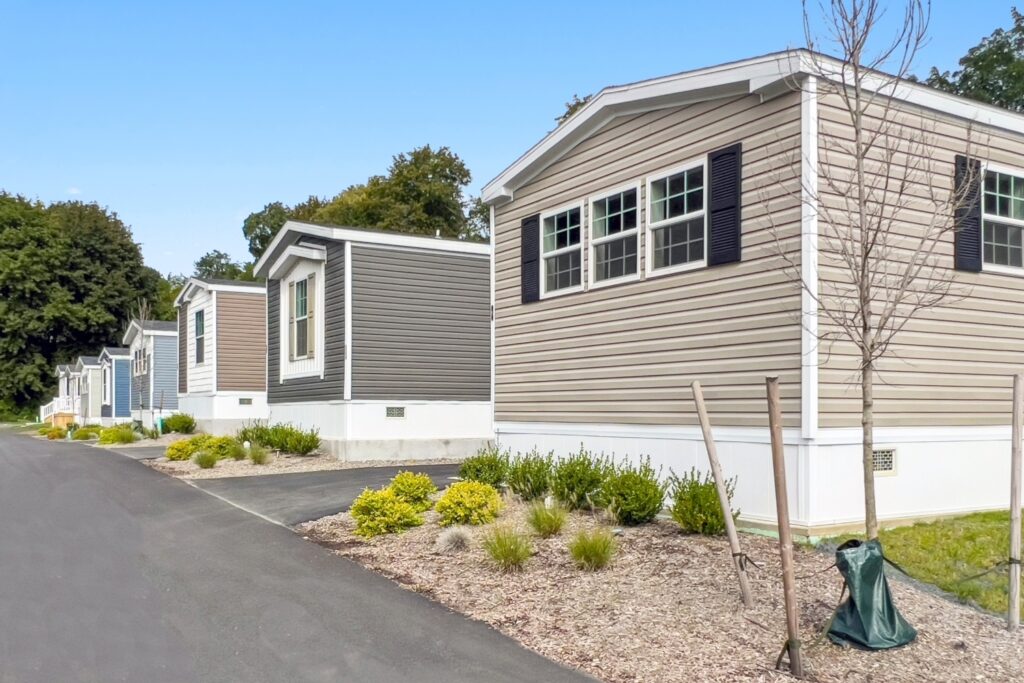
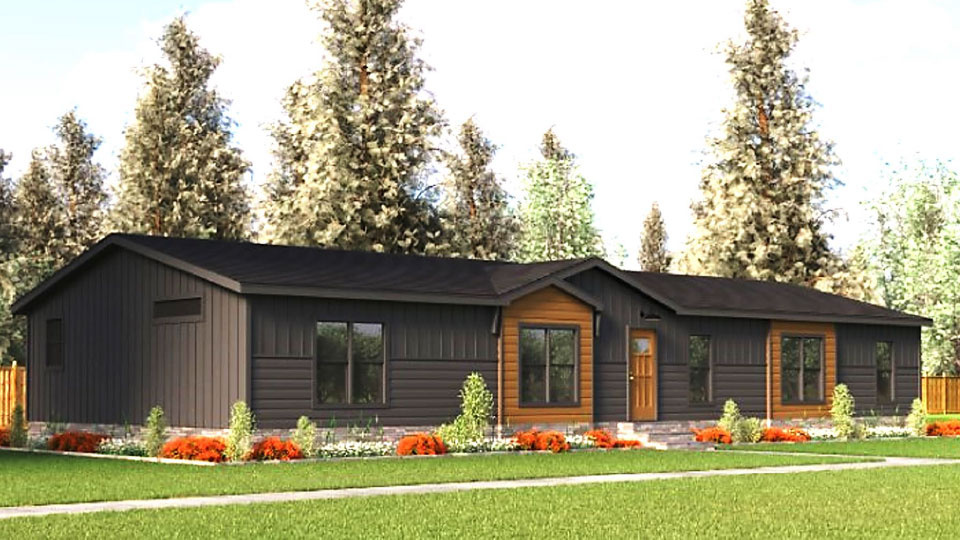
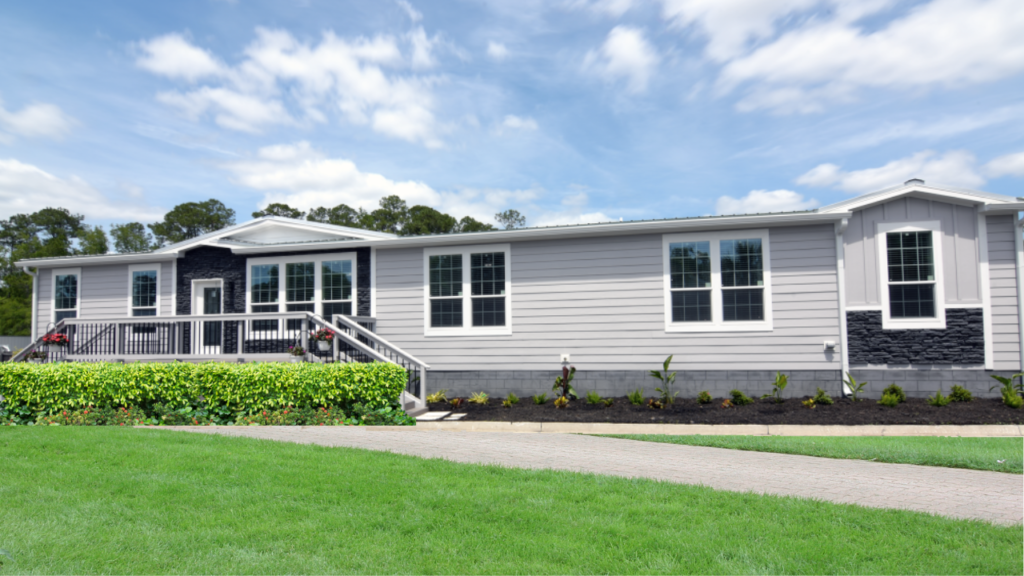
These are some examples of current exteriors—pretty sharp, right?
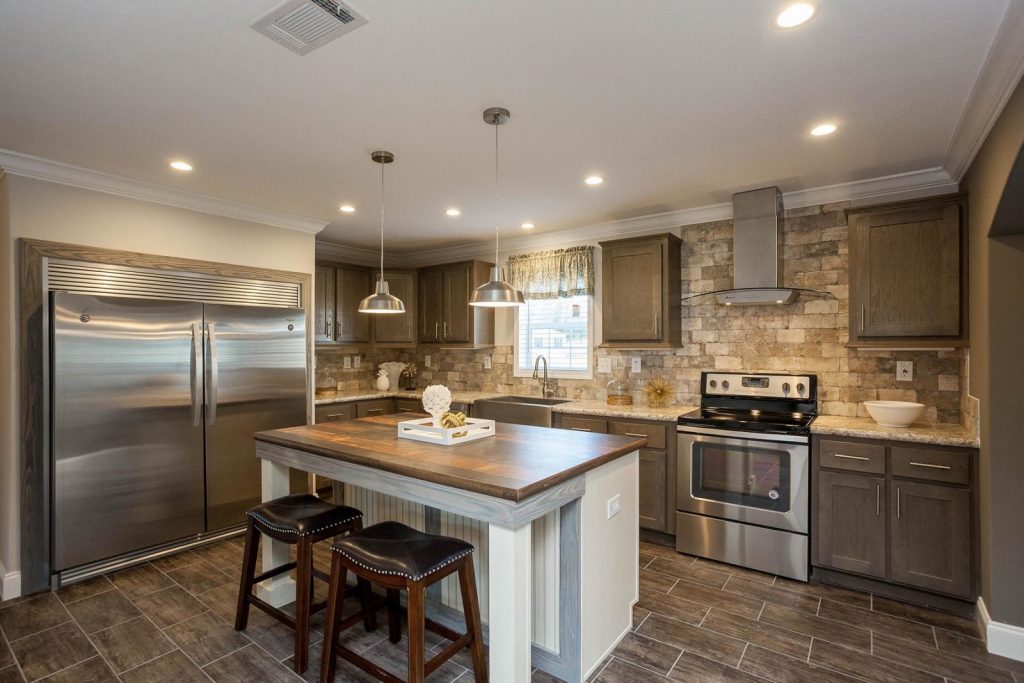
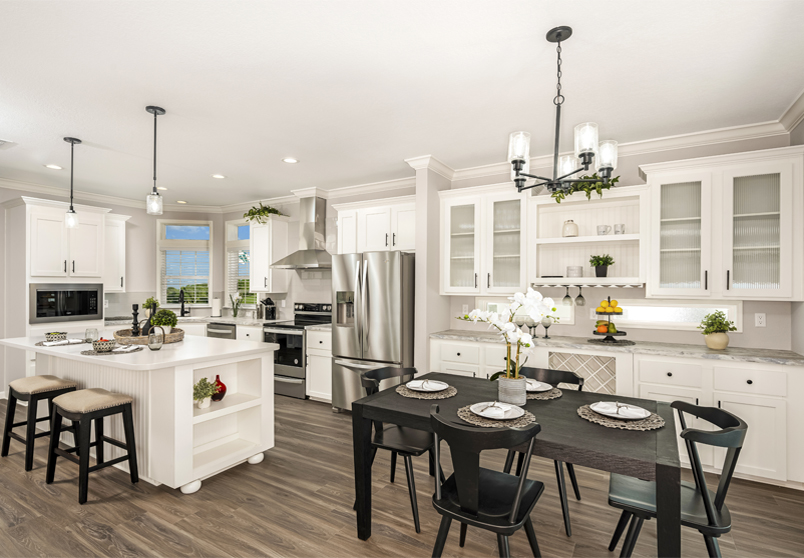
And the interiors can be really comfortable too.
Now, the big decision early on is where it’s going to sit: in a park where you rent the lot, or on land you own.
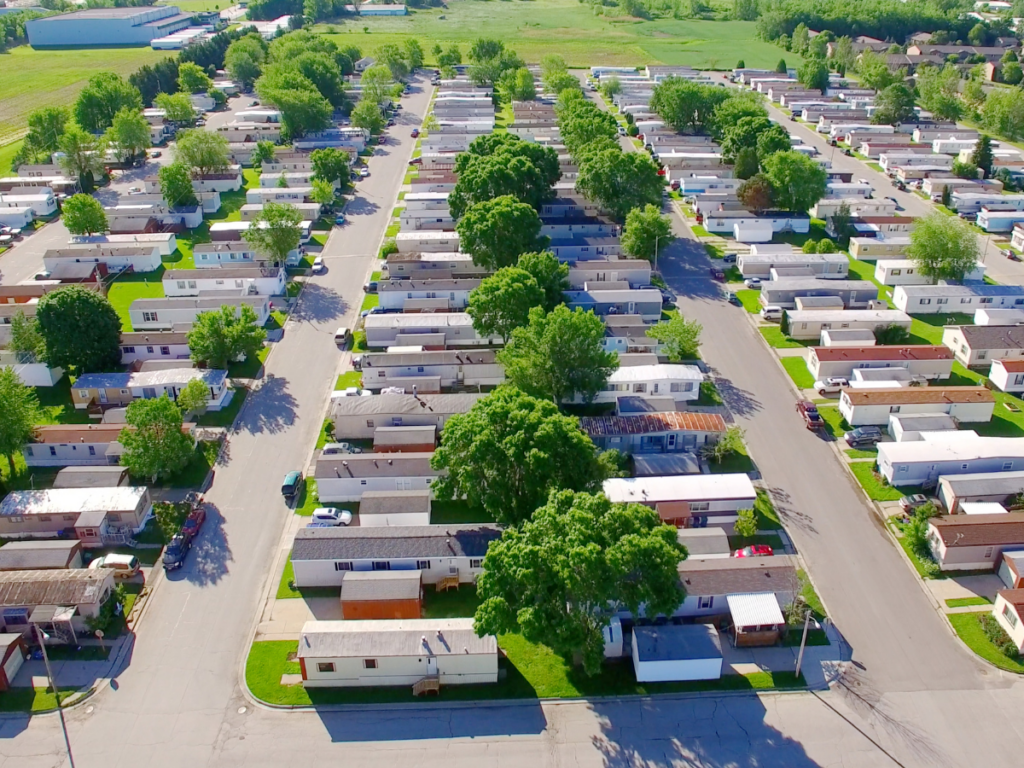
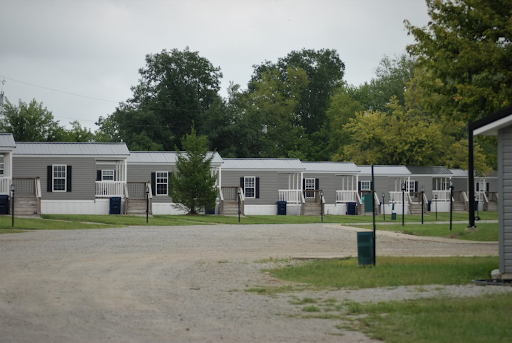
Renting a lot in a community is easier upfront—no huge land purchase, and you often get amenities like pools, clubhouses, or maintenance. Communities look like this:
Lot rent runs $300 to $1,000 a month depending on location and what’s included, and it can go up over time. Owning the land means no rent, more privacy, and better appreciation, but you’ll handle utilities, taxes, and setup yourself. A lot of buyers start in parks and later move to private land if they can.
Figure out your budget first. New single-wide homes start around $80,000, double-wides $120,000 to $160,000 including delivery, but add setup, foundation, utilities—easily another $10,000 to $30,000. Used ones are cheaper but come with repair risks. Don’t forget ongoing costs: insurance (special policies for manufactured homes), property taxes if you own land, or lot rent if not.
Financing is different from a regular house. If the home’s on leased land or not permanently affixed, it’s often a chattel loan—higher rates, shorter terms. If it’s on owned land and classified as real property (permanent foundation), you can get FHA, VA, USDA, or conventional mortgages with better rates. Credit score matters a ton; aim for 700+ for the best deals. Shops like 21st Mortgage or Vanderbilt specialize in this stuff.
Steps to buy one:
- Get pre-approved for financing so you know what you can spend.
- Decide new or used, and park vs private land.
- Shop dealers for new, or sites like MHVillage for used. Work with an agent familiar with manufactured homes if possible.
- For used, get a professional inspection—huge. Check roof for leaks, floors for soft spots, plumbing, electrical (watch for old aluminum wiring), HUD tags, chassis for rust, tie-downs, and water damage everywhere.
- If new, pick model, customizations, and handle delivery/setup.
- Close: title work is different—homes have titles like vehicles unless de-titled as real estate.
- Setup: blocking, anchoring, skirting, utilities hookup.
Hidden costs catch a lot of people: transport $3k-15k, permits, upgrades, park fees if applicable. And if buying used in a park, get park approval early—they can deny buyers.
Right now in late 2025, inventory is decent, rates are stabilizing, and end-of-year deals happen as dealers clear lots. If you’re serious, talk to a few lenders and visit some homes. It’s not as complicated as it seems once you start, and plenty of folks love the affordability. If you’ve got questions on your situation, drop them below.
