
How to Reset Home Fire Alarm: Step-by-Step Guide for Smoke & Fire Detectors

Disclosure: As an Amazon Associate, we earn from qualifying purchases at no extra cost to you. This post may contain affiliate links, meaning we may receive a small commission if you make a purchase through them.
Hey folks, I’ve been dealing with home maintenance stuff for years now, and one thing that always comes up is those damn smoke alarms going off when you least expect it—or worse, chirping nonstop in the middle of the night. Today I’m walking you through how to reset a home fire alarm, or smoke detector as most of us call them. I’ll cover the main types because not all are the same, and getting it right keeps everything working when it really matters.
First off, most homes have either battery-powered detectors or hardwired ones that plug into your house electricity, usually with a backup battery. A lot are interconnected too, meaning if one goes off, they all do. That’s great for safety but can make resetting a bit trickier.
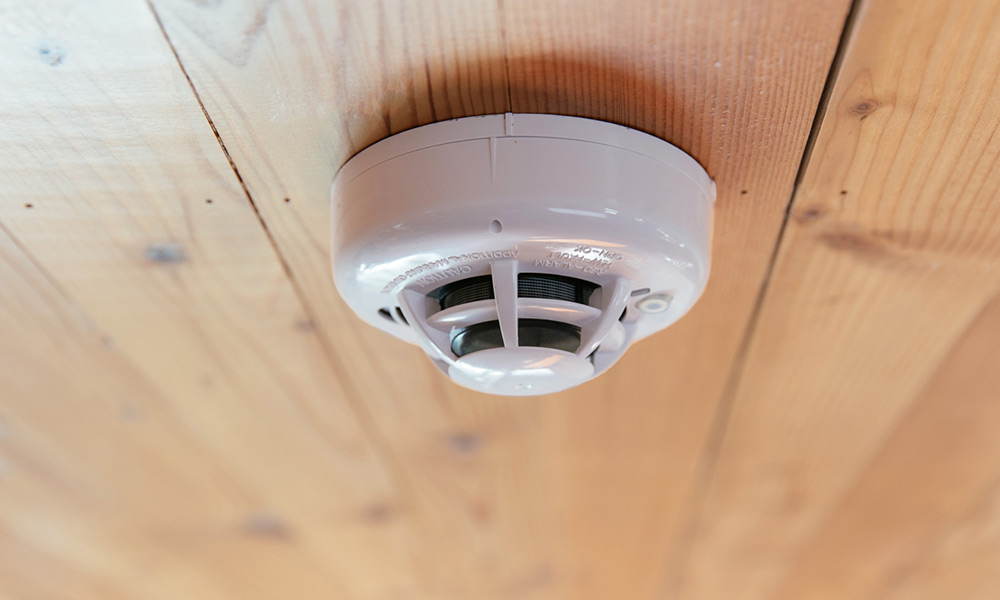
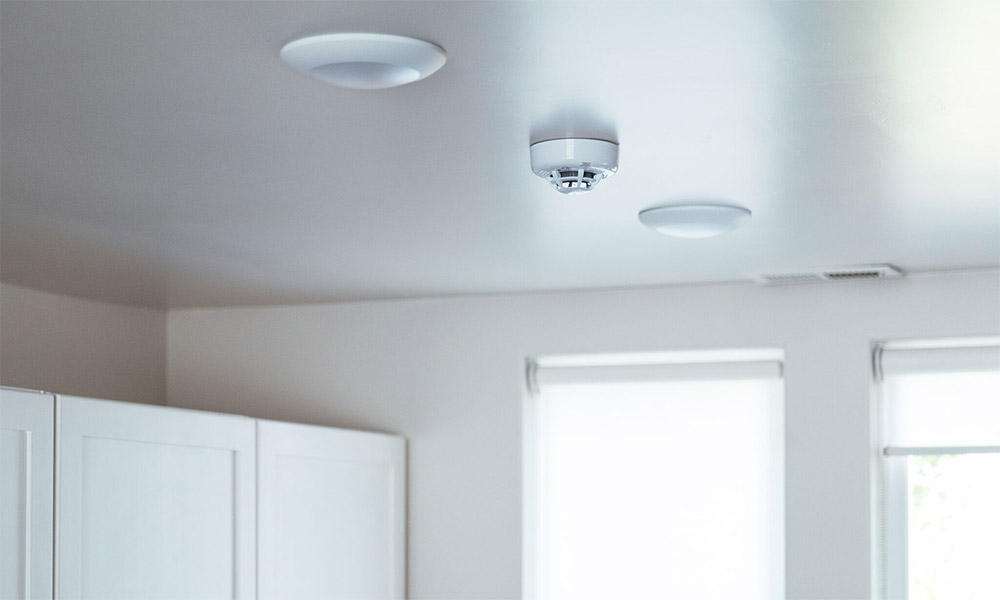
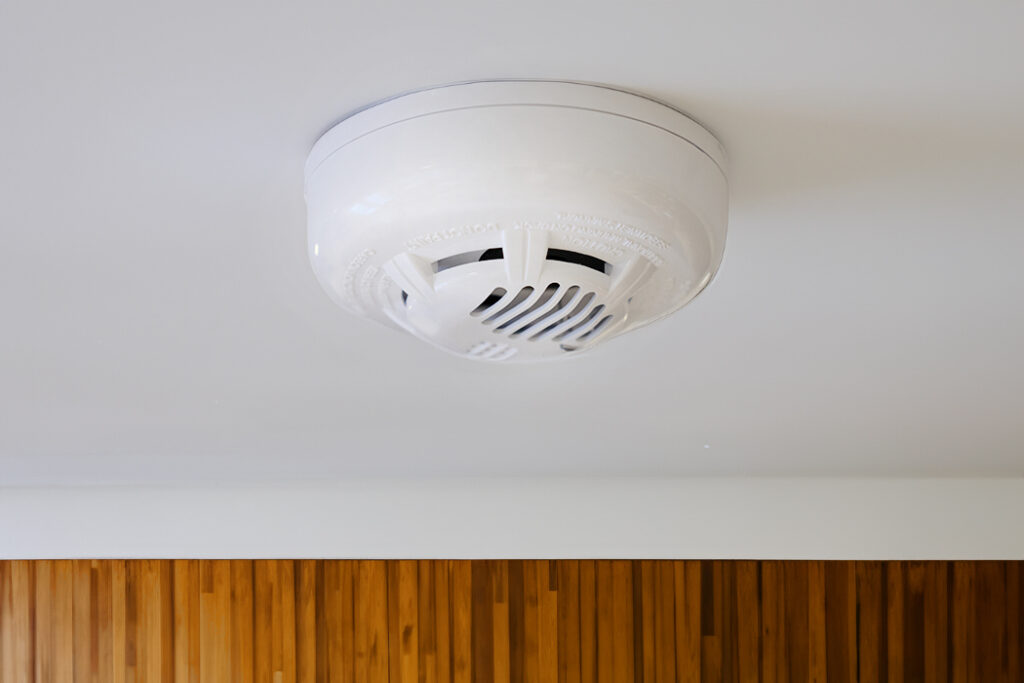
Before you touch anything, make sure there’s no actual fire or smoke. Ventilate the house, open windows, turn on fans to clear any lingering steam or dust. Only reset if it’s a false alarm.
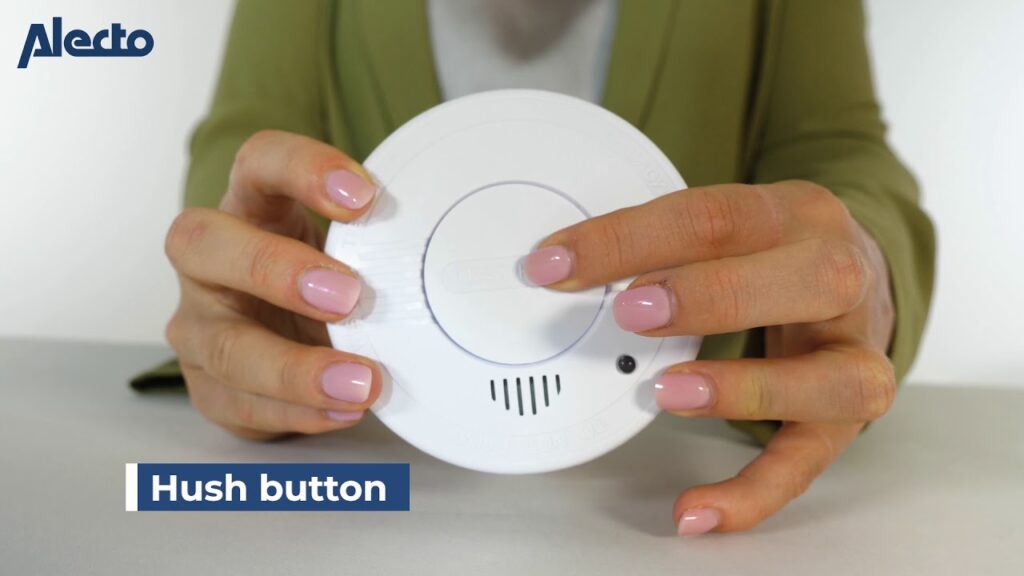
If the alarm is blaring continuously, look for a hush or silence button—usually the big test button in the center. Press and hold it for a few seconds. That often quiets things temporarily.
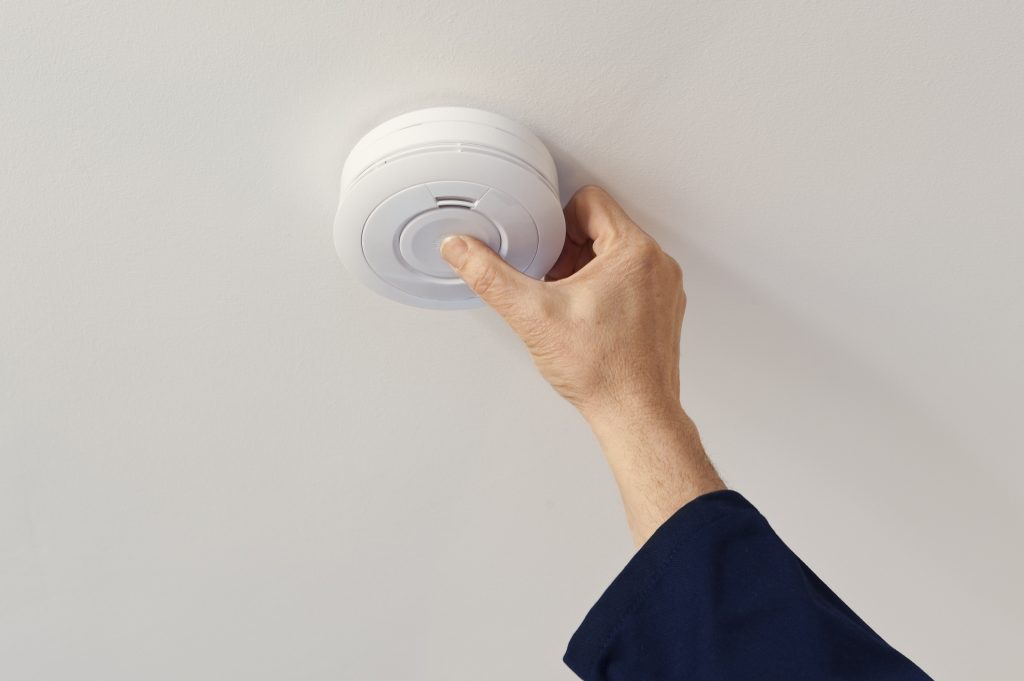
For chirping, which is usually one beep every minute or so, that’s almost always a low battery warning. Sometimes dust buildup, end of life, or even temperature swings, but start with the battery.
For pure battery-operated ones:
Remove the detector from the ceiling or wall—twist it counterclockwise usually.
Open the battery compartment and take out the old battery.

Press and hold the test button for 15 to 30 seconds to drain any leftover charge. You might hear a chirp or two.
Put in a fresh battery—make sure it’s the right type, usually 9V.
Twist it back on the mount.
Press the test button—it should beep loud once or a few times to confirm it’s good.
For hardwired detectors:
Grab a sturdy ladder, no wobbly chairs.
Turn off the circuit breaker for the smoke alarms if you can identify it. Safety first to avoid shocks.
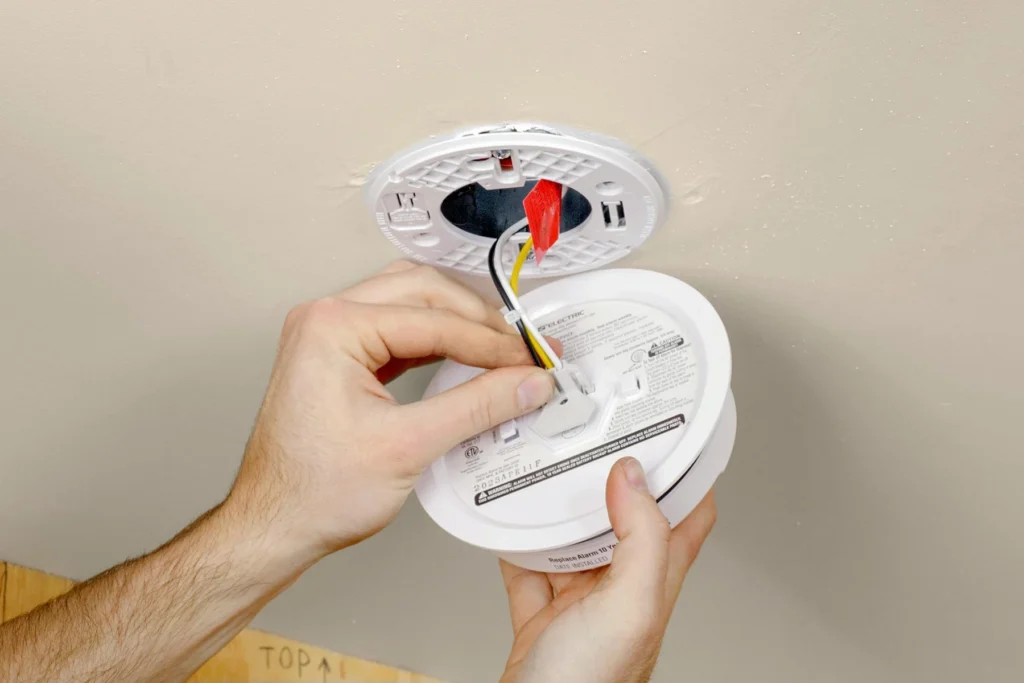
Twist the detector off the base.
Disconnect the wiring harness if needed, but usually you can leave it hanging.
Remove the backup battery.
Press and hold the test button for 15 to 30 seconds.
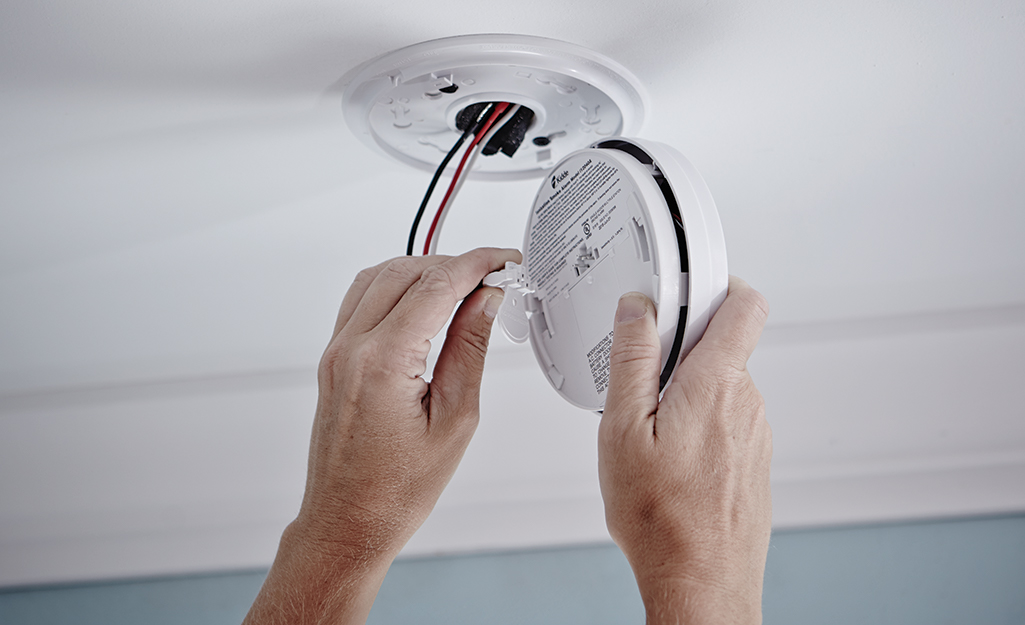
Put in a new backup battery.
Reconnect and twist back on.
Turn the breaker back on.
Test it.
If they’re interconnected and one is acting up, you might need to reset all of them the same way, or sometimes flipping the breaker resets the whole system.
After any reset, clean the thing. Dust is a big culprit for false alarms. Use compressed air or vacuum gently around the vents.
Test monthly by pressing the button, change batteries yearly even if not chirping, and replace the whole unit every 10 years—check the date on the back.
If it keeps chirping after new batteries and reset, it’s probably time for a new one. Don’t disable it permanently.
That’s pretty much it. I’ve had to do this more times than I care to count, especially after burning toast or steam from showers. Keeps the house safe without the constant annoyance. If you’ve got a specific brand acting weird, check their manual, but these steps work for most like Kidde or First Alert. Stay safe out there.
