
Whitewash Brick vs Paint: Which Finish Is Better for Your Home?
Disclosure: As an Amazon Associate, we earn from qualifying purchases at no extra cost to you. This post may contain affiliate links, meaning we may receive a small commission if you make a purchase through them.
Introduction
When updating a brick surface—whether it’s a fireplace, exterior wall, or accent feature—two popular options stand out: whitewashing and painting. Both can dramatically transform the look of your space, but they offer very different finishes and long-term results.
In this guide, we’ll compare whitewash brick vs paint to help you decide which option fits your style, maintenance needs, and overall home aesthetic.
What Is Whitewashing Brick?
Whitewashing is a technique that uses diluted paint (usually white latex) to create a soft, semi-transparent finish. Instead of fully covering the brick, it allows some of the natural texture and color to show through.
Key features:
- Light, rustic, and textured look
- Maintains natural brick character
- Absorbs into the brick surface
- Often used in farmhouse or vintage designs
Whitewashing is perfect if you want a subtle transformation rather than a complete cover-up.
What Is Painting Brick?
Painting brick involves applying a solid coat of paint that fully covers the original brick color and texture variation.
Key features:
- Opaque, uniform finish
- Wide color choices (not just white)
- Modern and clean appearance
- Completely hides original brick tone
This option works well for contemporary or minimalist interiors.
Whitewash Brick vs Paint: Key Differences
✔️ 1. Appearance
- Whitewash: Soft, natural, slightly uneven finish
- Paint: Smooth, solid, and consistent look
Whitewashing keeps the charm of brick, while paint creates a more polished style.
✔️ 2. Durability & Maintenance
- Whitewash: Fades naturally over time but ages gracefully
- Paint: Long-lasting but may chip or peel
Paint requires more upkeep, especially in high-moisture areas.
✔️ 3. Breathability
- Whitewash: Allows brick to breathe
- Paint: Seals the surface completely
Breathability is important for preventing moisture issues, especially on exterior brick.
✔️ 4. Reversibility
- Whitewash: Difficult but slightly more forgiving
- Paint: Very hard to remove once applied
Painting brick is generally considered a permanent decision.
whitewash brick vs paint in 2026
1. Giani Brick Transformations Whitewash

Whitewash brick gives a soft, textured look that lets the natural grain shine through, while paint covers it solidly. This paint preserves the brick’s breathability and subtle character, avoiding the heavy, plastic feel of traditional coatings. It’s ideal for fireplaces where durability meets a rustic charm without sealing out warmth.
Unlike thick paint, this formula dries clear or lightly tinted, blending seamlessly with aged brick. It’s quick to apply, easy to clean, and resists cracking better than many other finishes. Perfect for both old and new brickwork where authenticity matters most.
2. Giani Brick Transformations Whitewash

Whitewash brick gives a soft, textured look that lets the natural grain show through while keeping surfaces clean. It’s a natural finish that won’t hide imperfections but adds subtle depth. Paint, on the other hand, covers everything, often requiring multiple coats for durability. Brick Transformations whitewash blends the two—it preserves the brick’s character while offering a durable, washable finish.
For fireplaces and walls, this method avoids the harsh look of solid paint. It resists heat better than traditional whitewash and stays vibrant longer. Unlike paint, it won’t peel or crack over time, making it ideal for high-use areas where maintenance matters.
3. GLAINTE Brick Transformation Paint
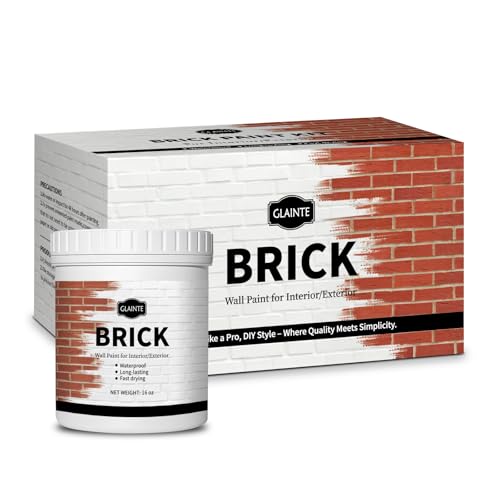
Whitewash gives a soft, matte look that blends with aging brick, while paint adds a bold, uniform finish. This kit delivers a durable, white transformation that resists stains and weather better than traditional whitewash, lasting longer on both inside and outside surfaces.
It comes with included tools for easy application, making it faster than hand-rolling whitewash. Unlike paint, it breathes like real brick, preventing moisture buildup and cracking over time. Great for fireplaces, walls, and concrete without the heavy, opaque look.
4. Hensire Exterior Wall Paint

Whitewash brick relies on a thin, chalky layer that fades quickly under sun and weather, losing its fresh look fast. This paint offers a tougher, long-lasting matte finish that resists cracking and peeling, keeping surfaces clean and protected for years without constant touch-ups.
For stone or pebbledash, whitewash often wears unevenly, revealing rough patches over time. This waterproof, low-odor formula bonds well, creating a smooth, durable finish that handles moisture and elements better than a thin wash. It’s built to last without the need for frequent reapplication.
5. Whitewash Brick Staining DIY

Whitewash on brick gives a soft, matte finish that lets the texture breathe while hiding minor imperfections. It’s breathable, so it won’t trap moisture, preventing mold and peeling over time. Paint, on the other hand, can look flat and dull, often requiring multiple coats for coverage, and may crack or chip faster if not sealed properly.
For a cleaner look without the weight of paint, a brick staining kit delivers a vibrant, long-lasting effect. It penetrates deep, resisting stains and weather better than traditional whitewash. It’s easier to apply with fewer coats and lasts longer, making it a smarter choice for durability and maintenance.
6. GLAINTE Brick Transformation Paint

Whitewash on brick gives a soft, textured look that blends with the natural grain, but it wears thin over time. This paint offers a durable, uniform finish that resists chipping and fading, ideal for both indoor and outdoor surfaces.
Unlike paint, which can peel or crack, this solution bonds tightly to brick, fireplaces, walls, and concrete, lasting longer with minimal maintenance. It’s perfect for updating old structures without sacrificing their original character.
7. KILZ Self Priming Masonry

Whitewash on brick lets you refresh surfaces with a soft, matte look, but it wears thin over time and requires frequent reapplication. This paint offers a durable, long-lasting alternative that bonds directly to rough textures, hiding imperfections without needing primer.
It’s ideal for both inside and out, providing a clean, white finish that resists dirt and stains better than traditional whitewash. Its self-priming formula cuts prep work, making it faster and more reliable for maintaining brick or stucco surfaces.
8. Brick Anew All One
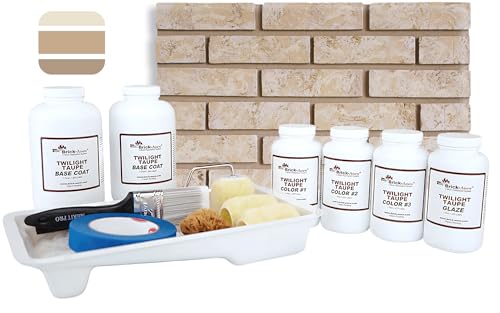
Whitewash gives a soft, faded look, but it lacks depth and can feel too thin over time. Paint strips away texture entirely, leaving a flat, uniform surface that doesn’t mimic real brick’s natural imperfections. This kit preserves the original grain while adding a rich, taupe tone that feels authentic and warm.
Unlike chalk paint’s matte finish or whitewash’s translucent haze, this solution delivers a balanced look—durable, easy to apply, and far more realistic than plain paint. It’s ideal for those who want a fresh upgrade without losing the fireplace’s character.
9. Dixie Belle Glaze Whitewash
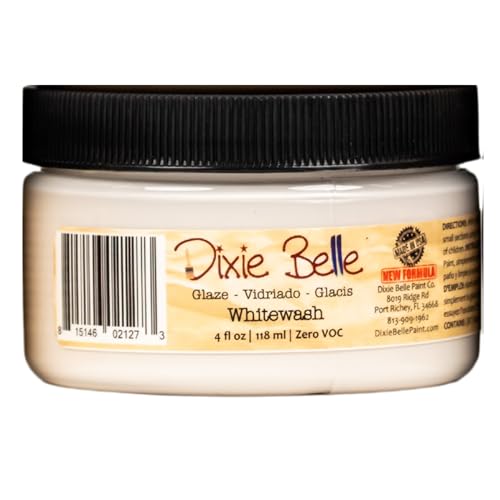
For whitewash brick, this glaze mimics the soft, faded look of aged plaster without the harshness of traditional paint. It blends seamlessly into textures, letting subtle color variations wash across surfaces naturally. Unlike heavy paint, it’s light enough for delicate stippling, giving a handcrafted feel to walls, shelves, or furniture.
Better than paint for fine details, it dries clear and won’t cling to brushes, making color washing effortless. It’s water-based, so cleanup is quick, and it won’t yellow over time. Perfect for DIY projects where you want a vintage, airy finish without the mess.
10. Krylon Fusion All One
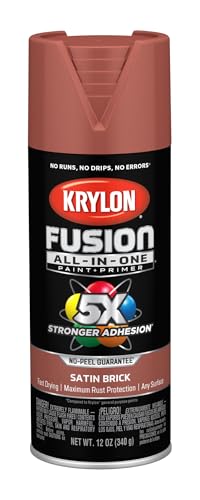
For brickwork that needs lasting protection, this spray paint bonds directly to surfaces without prepping, making it ideal for both old and new masonry. Unlike traditional whitewash, it resists weathering, stains, and cracking, offering a durable finish that holds up in any climate. Perfect for indoor walls or outdoor patios, it dries quickly and covers well, reducing touch-ups.
Whitewash fades over time, while this paint provides a consistent, long-lasting color. It’s easier to apply than brush-on solutions and won’t peel or chip. Great for restoring charm without the hassle of multiple coats or special prep work.
When Should You Choose Whitewash?
Whitewashing is the better option if you:
- Love a rustic, farmhouse, or vintage look
- Want to keep the brick texture visible
- Prefer a low-maintenance, natural finish
- Are working with interior features like fireplaces
When Should You Choose Paint?
Painting is ideal if you:
- Want a bold, modern transformation
- Prefer a clean and uniform appearance
- Need to match a specific color scheme
- Are updating outdated or mismatched brick
Pro Tip: Test Before You Commit
Before fully committing, try a small test patch. Brick absorbs materials differently, so the final result may vary based on texture and porosity.
Testing helps you avoid costly mistakes and ensures you get the exact look you want.
FAQs
1. Is whitewashing brick better than painting?
It depends on your style—whitewashing is more natural, while paint offers a bold, modern finish.
2. Does painted brick last long?
Yes, but it may require maintenance over time, especially outdoors.
3. Can you whitewash over painted brick?
Not effectively—you’ll need to remove or prep the painted surface first.
