
What is hazard insurance for home
Disclosure: As an Amazon Associate, we earn from qualifying purchases at no extra cost to you. This post may contain affiliate links, meaning we may receive a small commission if you make a purchase through them.
Hey folks, I’ve been writing about homeownership and personal finance for years now, and one question that pops up a lot from readers is about hazard insurance. People get confused because lenders throw the term around during the mortgage process. So let’s break it down straight.
Hazard insurance isn’t some separate policy you buy on its own. It’s basically the part of your standard homeowners insurance that protects the actual structure of your house—the dwelling itself—against damage from certain risks. Lenders call it hazard insurance because that’s the coverage they care most about to protect their investment in your property.
When you have a mortgage, your lender will almost always require you to carry this coverage. They want to make sure that if something bad happens to the house, there’s money to fix it or rebuild so you can keep paying the loan. If you own your home free and clear, nobody forces you to have it, but skipping it is a huge risk since your house is probably your biggest asset.
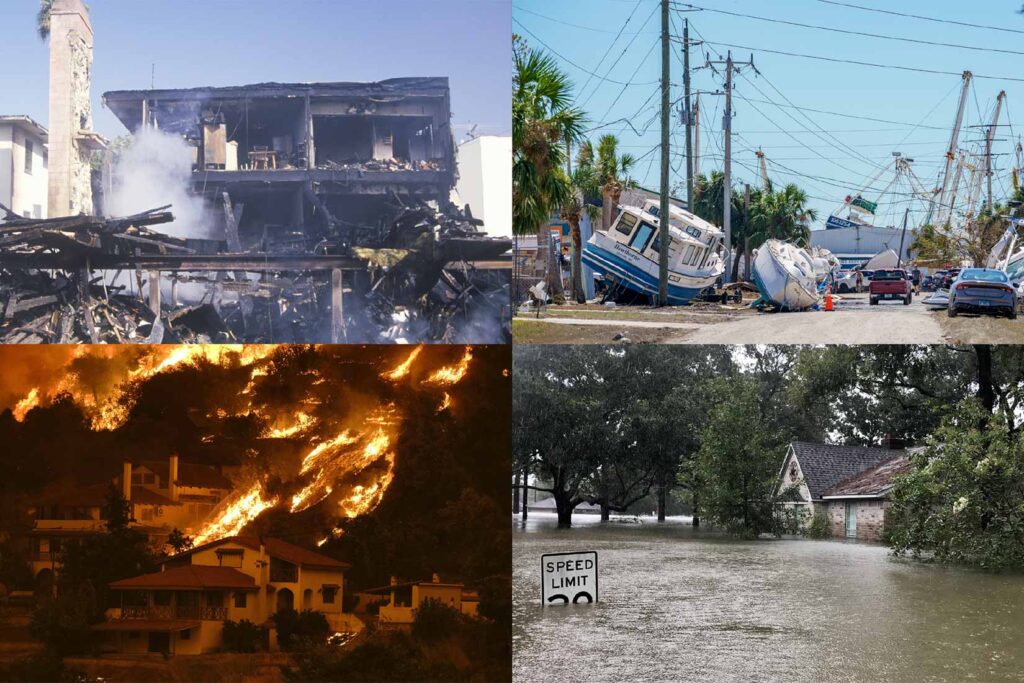
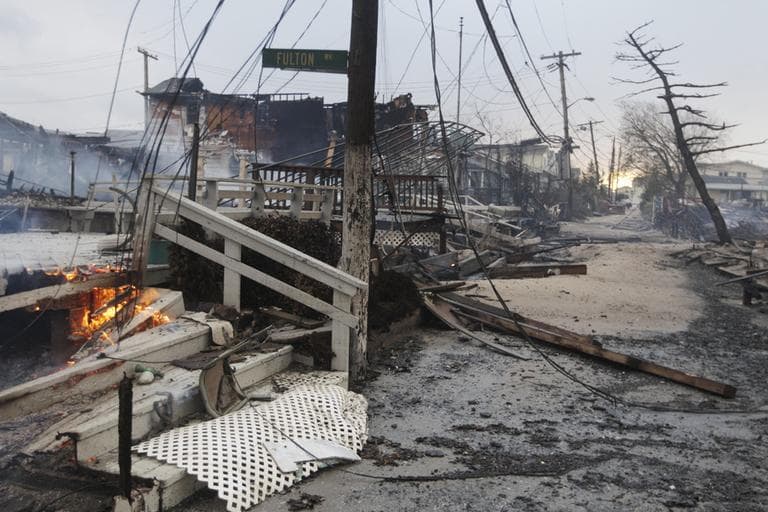
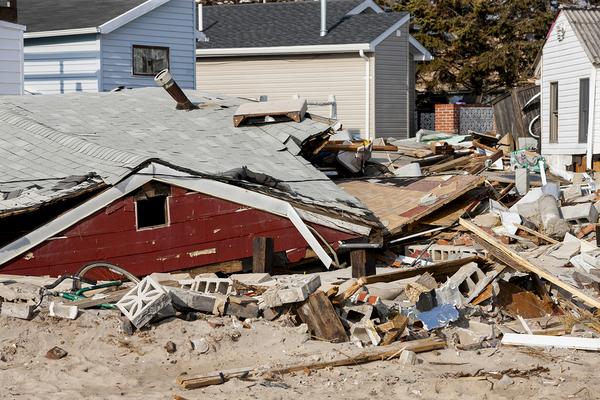
What does it actually cover? It pays to repair or rebuild the home if it’s damaged by things like fire, windstorms, hail, lightning, vandalism, theft (for structural damage), explosions, or falling objects. Standard policies list out these perils. But it doesn’t cover everything—floods, earthquakes, and sometimes hurricanes or sinkholes are excluded, so you often need separate policies for those if you’re in a risky area.
Hazard insurance only handles the physical structure—walls, roof, foundation, attached garage, that kind of thing. It doesn’t cover your personal stuff inside like furniture or clothes, or liability if someone gets hurt on your property, or extra living expenses if you have to stay somewhere else while repairs happen. For that broader protection, you need the full homeowners policy, which includes hazard coverage plus those other parts.
A lot of times, people think hazard and homeowners are totally different, but homeowners insurance bundles it all together. Buying a regular HO-3 policy (the most common type) satisfies what lenders mean by hazard insurance.
On the declarations page of your policy—that summary sheet at the front—you’ll see the dwelling coverage amount listed. That’s the hazard part, and lenders usually want it at least equal to the loan amount or the replacement cost of the home.
Cost-wise, since it’s baked into homeowners insurance, you’re looking at the full premium. As of late 2025, the national average for a homeowners policy with around $300,000 in dwelling coverage runs about $2,100 a year, but it varies wildly by state. Places prone to storms or disasters like Florida, Texas, or Oklahoma can hit $4,000 or more, while calmer spots like Hawaii are under $500. Your exact rate depends on location, home age, construction type, credit score, deductible, and more.
If you’re shopping for a house or refinancing, get quotes early because rates have been climbing with all the wild weather we’ve seen lately. Talk to a few agents, compare what perils are covered, and make sure the dwelling limit is enough to rebuild if the worst happens—not just the market value.
Bottom line: if you’ve got a mortgage, you need this coverage. Even without one, it’s smart to have. Protects you from going broke over a fire or storm that wrecks the place. Any questions on this stuff, hit me up in the comments—I read them all.
