
How to detect mold in your home

Disclosure: As an Amazon Associate, we earn from qualifying purchases at no extra cost to you. This post may contain affiliate links, meaning we may receive a small commission if you make a purchase through them.
Hey folks, it’s me again, your average 40-something guy who’s been through a couple home renovations and dealt with my share of house issues over the years. Today I’m writing about something that’s popped up in a lot of homes I’ve seen or heard about: mold. Specifically, how to spot it before it becomes a big problem. I’ve researched this pretty thoroughly because nobody wants that stuff lurking around.
First off, mold thrives where there’s moisture. It doesn’t need much—just some water and organic material like wood or drywall—and it can start growing in 24 to 48 hours after something gets wet. The key to detecting it early is paying attention to the signs and checking the usual spots.
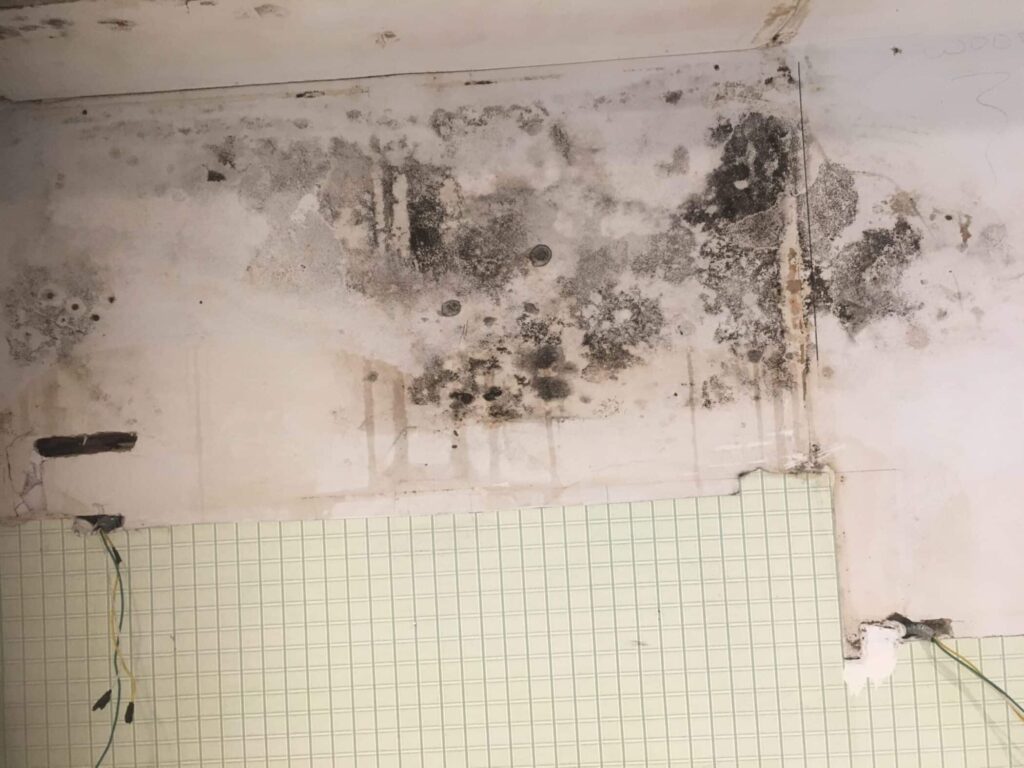
The most obvious way to detect mold is by sight. It often shows up as black, green, white, or gray spots that look fuzzy, slimy, or powdery. Black mold, the one everyone worries about, tends to appear in circular patches that cluster together.
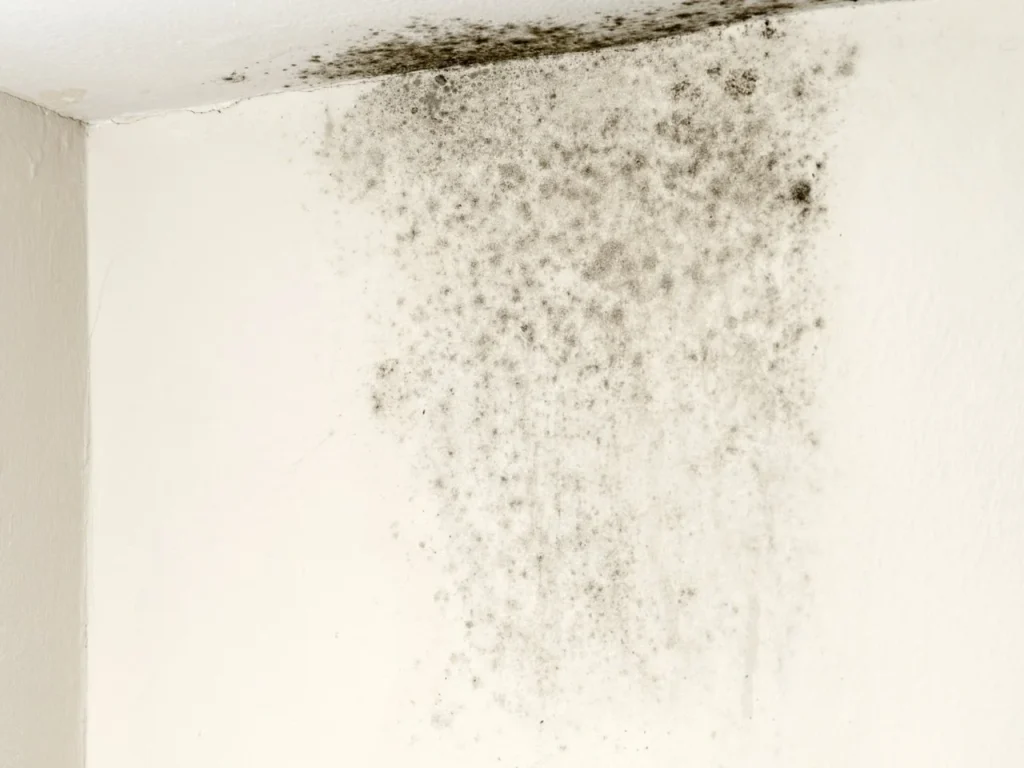
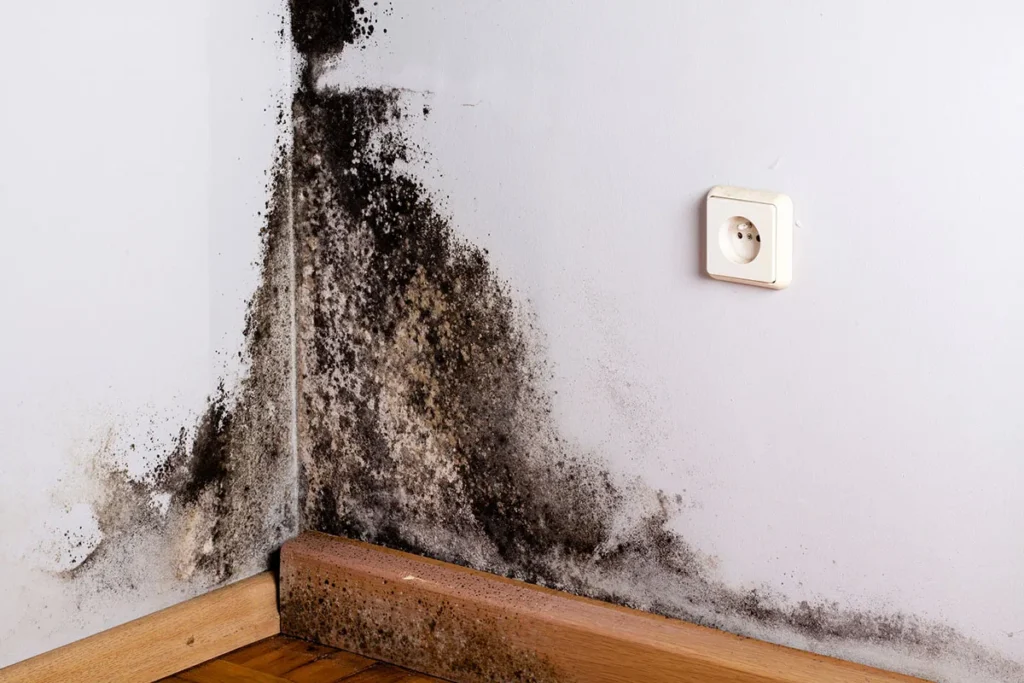
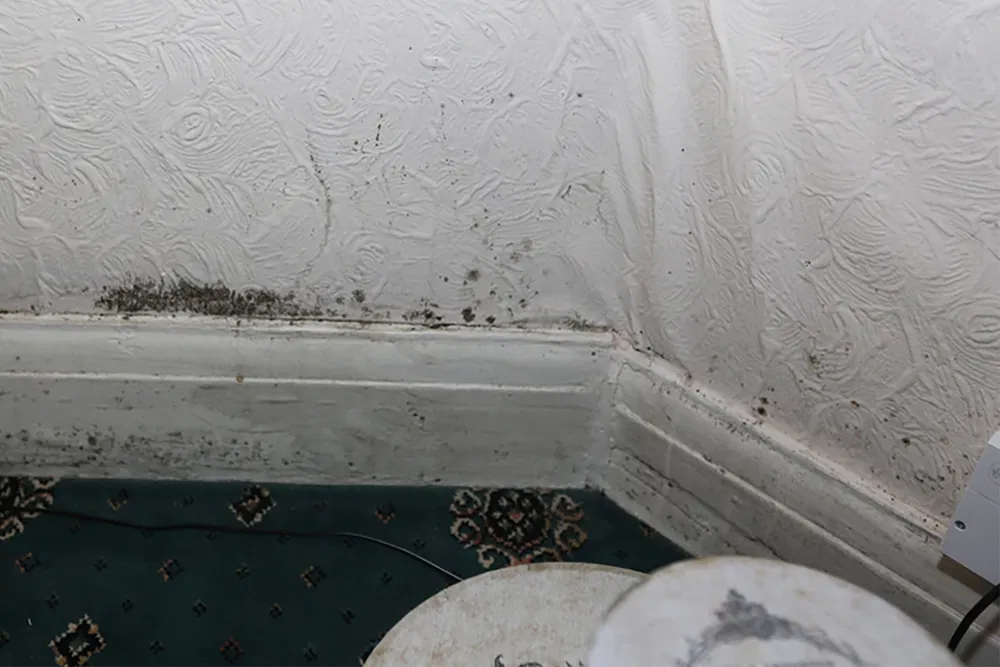
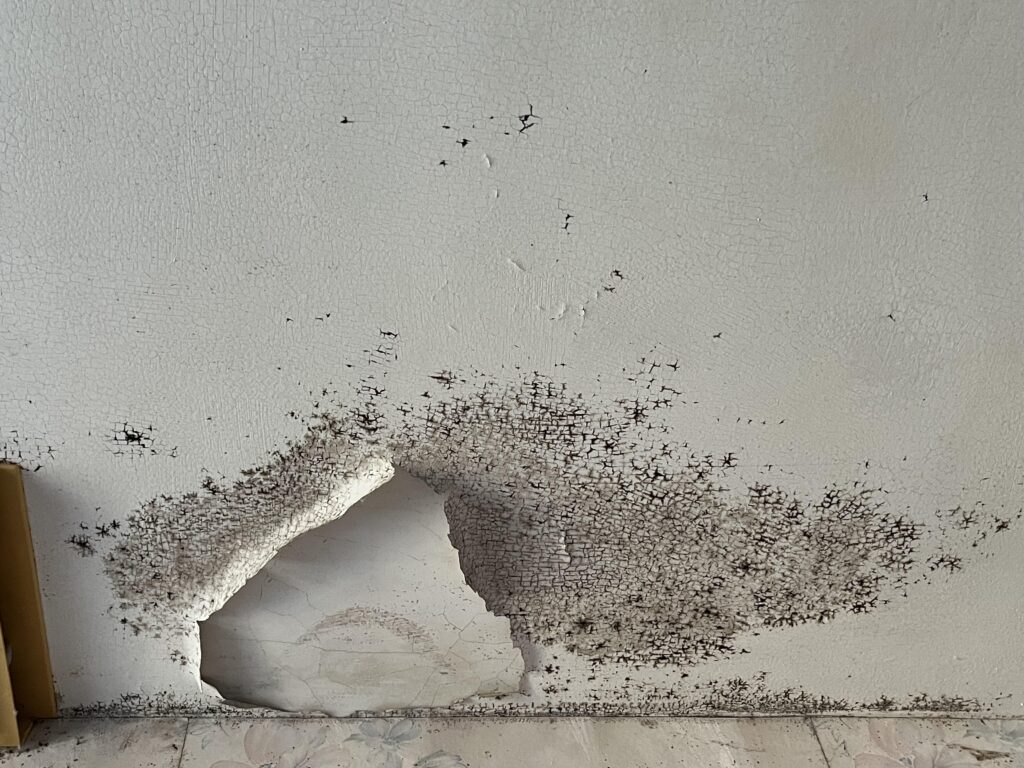
You might also notice discoloration on walls, ceilings, or floors, like dark stains, bubbling paint, or peeling wallpaper. That’s often a clue there’s mold growing behind the surface.
Next is smell. Mold has a distinct musty, earthy odor. If your house smells damp or like an old basement even when it’s clean, that’s a red flag. Basements are prime for this.
Health symptoms can tip you off too. If you or family members have ongoing allergies, coughing, sneezing, itchy eyes, headaches, or worsening asthma when you’re home—and it gets better when you’re away—that could point to mold. People with weakened immune systems or respiratory issues are more sensitive.
Common places to check:
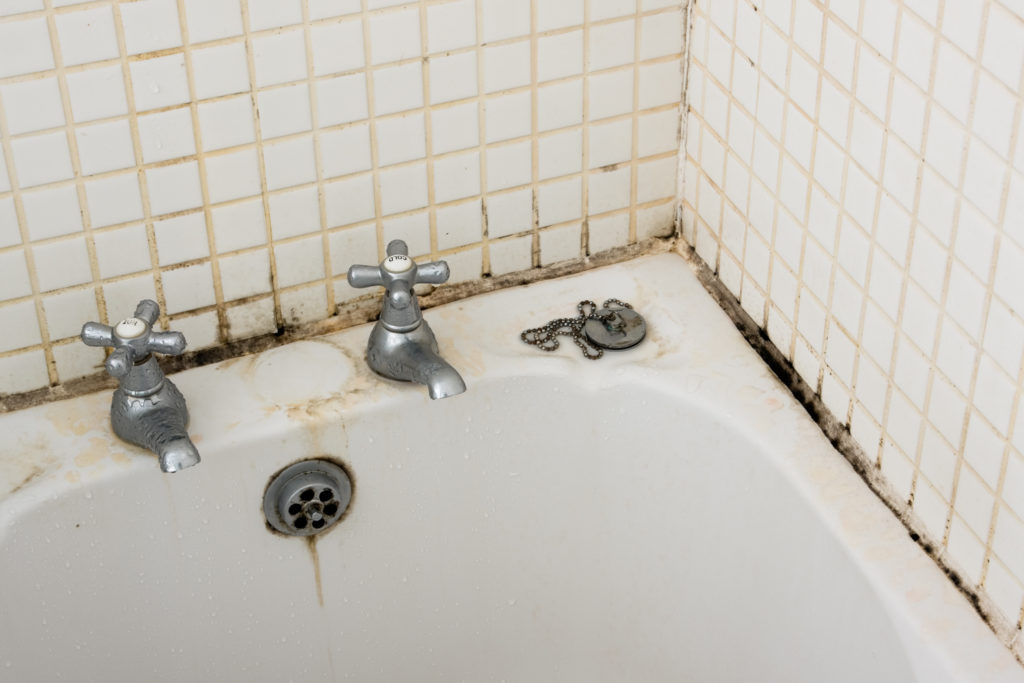
Bathrooms, especially showers, tiles, grout, and around tubs where steam builds up.
Kitchens under sinks, around dishwashers, or refrigerators.
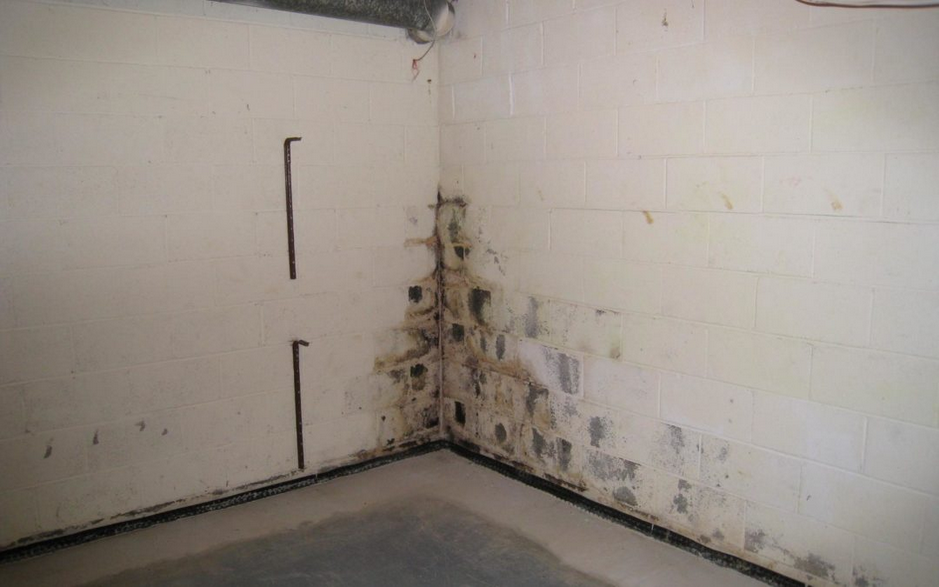
Basements and crawl spaces—look for leaks, condensation on pipes, or water stains.
Attics, especially if there’s roof leakage.
Around windows, where condensation collects.
Behind furniture against exterior walls.
In HVAC systems or ducts if there’s poor ventilation.
Any area with past water damage, like after a flood or leak.
To inspect properly, grab a flashlight and look closely in these spots. Check for water stains, warped materials, or high humidity. You can buy a cheap moisture meter to test walls or floors—anything over 15-20% moisture is a concern.
If you don’t see anything but suspect hidden mold, DIY test kits are available at hardware stores. They usually involve air sampling with pumps or petri dishes, or swabbing surfaces. Follow the instructions, send samples to a lab if required. But honestly, these aren’t always super accurate, and the EPA says if you see visible mold, you don’t need to test—just clean it up and fix the moisture source.
For bigger suspicions or hidden growth, call a professional inspector. They use better tools like borescopes to look inside walls, infrared cameras for moisture, or professional air sampling. Make sure they’re certified and separate from remediation companies to avoid conflicts.
Detecting mold early saves a ton of hassle. Fix leaks immediately, keep humidity below 60% with dehumidifiers, ventilate bathrooms and kitchens, and clean up spills fast. If you find it, address the water problem first or it’ll come back.
That’s my take based on solid info from places like the EPA and CDC. If you’ve dealt with mold, let me know in the comments what worked for you. Stay dry out there.
