
Flowering Trees for New England: Best Picks for Every Yard
Disclosure: As an Amazon Associate, we earn from qualifying purchases at no extra cost to you. This post may contain affiliate links, meaning we may receive a small commission if you make a purchase through them.
Introduction
New England’s climate—with cold winters, humid summers, and variable soil conditions—requires carefully selected plants. Choosing the right flowering trees ensures your landscape thrives while adding seasonal beauty and value to your home.
In this guide, we’ll explore the best flowering trees for New England, along with tips on planting, care, and design ideas.
What to Look for in Flowering Trees for New England
Before choosing a tree, consider these key factors:
Cold Hardiness
New England falls within USDA Zones 3–6, so trees must tolerate freezing winters and frost.
Bloom Time
Selecting trees with different bloom times helps you enjoy color from early spring through summer.
Disease Resistance
Humidity can lead to fungal issues, so choose resilient varieties.
Size and Space
Consider mature height and spread to avoid overcrowding your yard.
Best Flowering Trees for New England
1. Eastern Redbud
Eastern Redbud is one of the earliest bloomers in spring.
- Pink to purple blossoms before leaves appear
- Compact size, ideal for smaller yards
- Thrives in well-drained soil
2. Flowering Dogwood
Flowering Dogwood is a classic choice for New England landscapes.
- White or pink spring blooms
- Attractive fall foliage and berries
- Prefers partial shade and moist soil
3. Crabapple Tree
Crabapple Tree offers multi-season interest.
- Vibrant spring blossoms (white, pink, red)
- Decorative fruit in fall
- Many disease-resistant varieties available
4. Magnolia Trees
Magnolia Tree bring dramatic, large blooms.
- Early spring flowering
- White, pink, or purple blossoms
- Best planted in protected areas from strong winds
5. Serviceberry
Serviceberry is a versatile native tree.
- Delicate white flowers in spring
- Edible berries in summer
- Excellent fall color
6. Kwanzan Cherry Tree
Kwanzan Cherry Tree is known for its showy blooms.
- Double pink flowers in mid-spring
- Ornamental, non-fruiting variety
- Great for focal points
Recommended Planting and Care Products
1. New England Trees Wildflowers
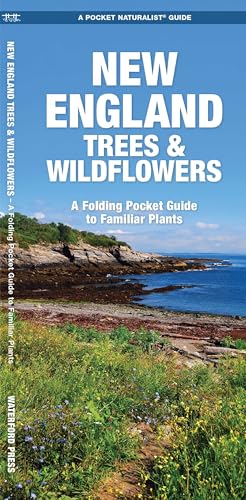
New England’s flowering trees stand tall with vibrant blooms like sugar maples in spring, dogwoods in April, and redbuds in early summer. These trees attract pollinators, enrich soil, and create stunning landscapes. Wildflowers nearby add texture and color, supporting ecosystems while offering seasonal beauty. Perfect for gardens, parks, or natural spaces, they blend practicality with charm.
These trees thrive in New England’s climate, offering long-term benefits for wildlife and homeowners. Their flowers provide nectar for bees and butterflies, while roots stabilize soil. Easy to plant, they enhance curb appeal and contribute to sustainable landscapes. Ideal for those who value both function and aesthetics in outdoor spaces.
2. New England Getting Started
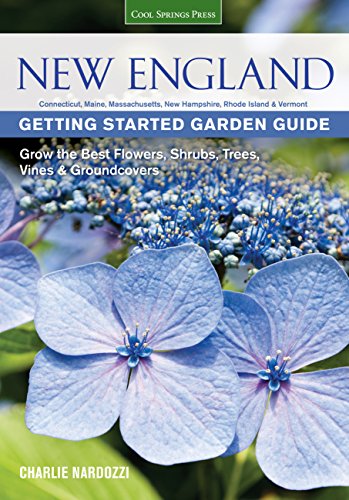
Flowering trees in New England add beauty and function to yards, offering shade, wildlife support, and seasonal color. The guide helps gardeners pick the right species for your climate—like serviceberry for spring blooms or dogwood for vibrant spring flowers—while avoiding frost-sensitive varieties that fail in cold snaps. It also explains care, from pruning to soil prep, ensuring trees thrive without guesswork.
For beginners, this resource simplifies selection by grouping trees by bloom time and hardiness, making it easy to choose plants that match your garden’s needs. It includes tips on planting depth, mulching, and pest resistance, so you avoid common mistakes that lead to weak growth. Perfect for those who want reliable, attractive trees that adapt well to New England’s varied soils and weather.
3. New England Nature Set:

For New England’s flowering trees, this set helps you identify species like serviceberry, sugar maple, and redbud by their blooms and foliage. The guides simplify seasonal changes, from early spring dogwoods to late summer magnolias, with clear illustrations and concise descriptions. It’s perfect for quick reference while hiking or gardening, ensuring you recognize native beauty without confusion.
The pocket-sized format makes it easy to carry, ideal for fieldwork or casual nature walks. Each section on flowering trees includes bloom timing and habitat details, helping you connect plants to their ecosystems. Whether you’re a beginner or experienced, it’s a reliable tool for appreciating New England’s floral diversity.
4. New Hampshire Trees Wildflowers

New Hampshire’s flowering trees like the white birch and sugar maple stand tall in New England’s spring, their blossoms brightening the landscape. These species offer shade, wildlife habitat, and soil stability, making them vital for local ecosystems. Wildflowers like trillium and bloodroot thrive alongside them, adding color and pollinator support.
For gardeners and nature lovers, these trees and wildflowers provide beauty and practical benefits. Their blooms attract bees and butterflies, while their roots improve soil health. Observing them teaches appreciation for New England’s natural rhythms and resilience.
5. Kaufman Field Guide Nature

This guide is perfect for identifying flowering trees in New England, offering clear illustrations and descriptions of species like serviceberry, sugar maple, and dogwood. It helps distinguish blooms by season, making it easy to spot early spring dogwoods or late summer birches.
The book’s concise entries and practical tips simplify tree recognition, useful for hikers, gardeners, or anyone tracking local flora. Its regional focus ensures accuracy for New England’s varied landscapes.
6. Maine Trees Wildflowers (Nature

Maine’s flowering trees like the dogwood and serviceberry thrive in New England’s cool summers, offering bright blooms and edible fruits. Their vibrant petals attract pollinators while their dense canopies provide shade and wildlife shelter. Wildflowers like wild bergamot and butterfly weed grow alongside them, creating diverse ecosystems that support bees and butterflies. These plants enhance landscapes with natural beauty and practical benefits, from soil stabilization to pest control.
In New England’s varied climates, these trees and wildflowers adapt well, requiring minimal maintenance once established. Their long bloom times extend into late spring and early summer, ensuring continuous color and ecological value. Planting them improves biodiversity and adds lasting charm to gardens and forests, making them essential for sustainable outdoor spaces.
7. Flower Finder: Identifying Wildflowers
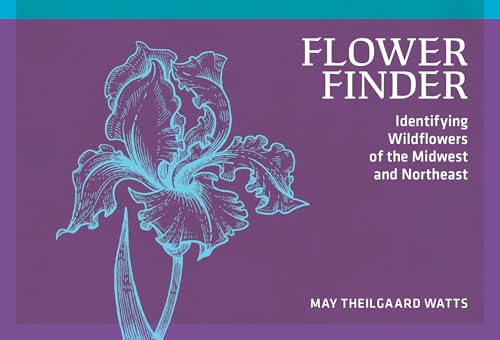
For New England’s flowering trees, this guide helps you spot and learn about species like serviceberry, sugar maple, and dogwood. It simplifies identification by pairing visual clues with clear descriptions, making it easier to recognize trees in their natural stages. Useful for gardeners, hikers, and anyone who wants to understand local flora without complex tools.
Perfect for identifying trees like birch, ash, and hickory alongside wildflowers. The Midwest/Northeast focus ensures accuracy for New England’s unique ecosystems. Quick reference for both beginners and those familiar with nature study.
8. Plants Trees New England

New England’s flowering trees add beauty and charm to landscapes, from the bold red blooms of dogwoods to the delicate white petals of serviceberry. These puzzles capture the region’s natural diversity, perfect for gardeners, hikers, and anyone who appreciates local flora. Each large-format grid lets you focus on iconic species like maple, birch, and cherry blossoms, ideal for collectors and enthusiasts.
A word search on flowering trees offers practical enjoyment—great for quiet evenings or travel stops. It’s a hands-on way to learn about native plants while sparking curiosity about the region’s ecosystems. Whether for nostalgia or education, these puzzles blend relaxation with appreciation for New England’s floral heritage.
9. Vermont Trees Wildflowers (Nature

Vermont’s flowering trees and wildflowers bring spring’s beauty to New England’s landscapes. Their blooms attract pollinators, enriching local ecosystems while offering vibrant colors and fragrances. Perfect for gardens, parks, and urban spaces, these plants thrive in Vermont’s varied climates, providing long-term beauty and ecological benefits.
These native species support biodiversity, from bees to birds, while their hardiness ensures reliable performance. Ideal for homeowners and land managers, they blend practicality with natural charm, making them essential for any region’s outdoor spaces.
10. Connecticut Trees Wildflowers (Nature

In New England’s spring and summer, flowering trees like the serviceberry and dogwood brighten landscapes with vibrant blooms. These native species support local ecosystems by attracting pollinators and providing shade. Wildflowers like wild bergamot and purple coneflower thrive alongside them, offering long-lasting color and ecological benefits.
For gardeners in Connecticut, these trees and wildflowers create natural beauty while enhancing biodiversity. Their low-maintenance nature makes them ideal for both urban and rural settings, offering practical and aesthetic advantages year-round.
Best Planting Tips for New England
Choose the Right Location
Ensure proper sunlight (most flowering trees need full sun to partial shade).
Plant in Early Spring or Fall
This allows roots to establish before extreme temperatures.
Prepare the Soil
Use well-draining soil and consider adding compost for nutrients.
Water Consistently
Young trees need regular watering, especially during dry periods.
Design Ideas Using Flowering Trees
- Plant near entryways for curb appeal
- Use as focal points in front yards
- Line driveways or pathways for a dramatic effect
- Combine with shrubs and perennials for layered landscaping
Mixing different species can create a continuous bloom cycle throughout the seasons.
Common Mistakes to Avoid
- Choosing trees not suited for cold climates
- Planting too close to structures
- Ignoring soil drainage requirements
- Overwatering or underwatering young trees
Proper planning helps avoid costly landscaping issues later.
Which Flowering Tree Is Best Overall?
For most New England homes, crabapple and serviceberry trees offer the best balance of beauty, hardiness, and low maintenance. However, the best choice depends on your space, sunlight, and design goals.
FAQs
1. What is the best flowering tree for cold climates?
Crabapple and serviceberry trees are among the most cold-hardy options.
2. When is the best time to plant flowering trees in New England?
Early spring or fall is ideal for planting.
3. Do flowering trees require a lot of maintenance?
Most require moderate care, especially during the first few years.
