
Zoysia vs Centipede Grass: Key Differences, Pros, and Which One Is Better
Disclosure: As an Amazon Associate, we earn from qualifying purchases at no extra cost to you. This post may contain affiliate links, meaning we may receive a small commission if you make a purchase through them.
Introduction
Choosing the right lawn grass is important for durability, maintenance, and overall curb appeal. Two popular warm-season options in the southern and transition zones are Zoysia and Centipede grass. While both are low-maintenance compared to cool-season grasses, they perform very differently in terms of growth, durability, and upkeep.
In this guide, we’ll break down Zoysia vs Centipede grass so you can decide which one is best for your lawn.
Overview of Both Grass Types
Zoysia Grass
Zoysia grass is a dense, warm-season turf known for its durability and thick carpet-like appearance. It spreads through both stolons and rhizomes, making it more aggressive and resilient.
Key traits:
- Dense and lush texture
- High durability and foot traffic resistance
- Slow-growing but long-lasting
- More maintenance than Centipede
Centipede Grass
Centipede grass is a low-maintenance warm-season grass often called the “lazy man’s grass” due to its minimal care requirements.
Key traits:
- Light apple-green color
- Slow-growing and low maintenance
- Prefers acidic soil
- Less tolerant to heavy traffic
Key Differences Between Zoysia and Centipede
1. Appearance
- Zoysia: Deep green, dense, carpet-like
- Centipede: Lighter green, softer texture
Zoysia looks more premium and manicured, while Centipede has a natural, relaxed look.
2. Maintenance Requirements
- Zoysia: Medium to high maintenance (needs mowing, fertilizing, aeration)
- Centipede: Very low maintenance (minimal fertilizing, less mowing)
Centipede is easier to care for, but Zoysia rewards effort with a better lawn appearance.
3. Durability and Traffic Tolerance
- Zoysia: Excellent for foot traffic and active lawns
- Centipede: Poor tolerance for heavy use
If you have kids, pets, or frequent yard activity, Zoysia performs better.
4. Growth Rate
- Zoysia: Slow to establish but forms a dense turf
- Centipede: Slow spreading and takes time to fill in
Both are slow-growing, but Zoysia becomes thicker and more resilient over time.
5. Climate and Soil Preference
- Zoysia: More adaptable to different soil types and drought conditions
- Centipede: Prefers warm, humid climates and acidic soil
Zoysia is generally more flexible across environments.
Pros and Cons Summary
Zoysia Grass
Pros:
- Very durable and dense
- Excellent lawn appearance
- Good drought resistance
Cons:
- More expensive and maintenance-heavy
- Slow establishment
Centipede Grass
Pros:
- Extremely low maintenance
- Budget-friendly
- Minimal mowing and fertilizing
Cons:
- Poor traffic tolerance
- Slower to recover from damage
- Less lush appearance
Which One Is Better?
Choose Zoysia if:
- You want a premium, thick lawn
- Your yard gets heavy use
- You don’t mind moderate maintenance
Choose Centipede if:
- You prefer a low-effort lawn
- Your yard has light foot traffic
- You want a budget-friendly option
Can You Mix Zoysia and Centipede?
Mixing is not recommended. Zoysia is more aggressive and tends to overtake Centipede over time, creating an uneven lawn.
Recommended Lawn Care Products
1. Zoysia Emerald Grass Seeds

Zoysia Emerald grows thick and spreads slowly, making it easier to keep than many other warm-season grasses. It handles heat and dry spells better than centipede, needing less water once established. Its soft feel and dense roots reduce foot traffic damage, while centipede often struggles with shade and requires more frequent mowing.
Centipede grass is cheaper upfront but needs more water and frequent trimming. Zoysia stays green longer without extra care, though it grows slower. For full sun and low effort, Zoysia wins over centipede’s higher maintenance.
2. KVITER Zenith Zoysia Grass
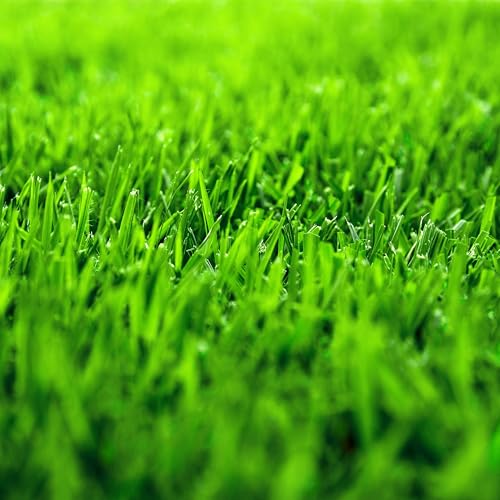
Zenith Zoysia stands out for its thick, lush growth that handles shade and dry spells better than many other grasses. Unlike centipede, which thrives in heat but needs frequent mowing and high nitrogen, Zoysia spreads slowly, reducing weeds and requiring less water. It stays green longer, handles foot traffic well, and grows dense without constant care.
Centipede grass is cheap and low-maintenance, but it struggles in shade and needs frequent fertilizing. Zoysia’s resilience makes it a smarter pick for sunny to partly shaded lawns that need durability. Both have pros, but Zoysia’s shade tolerance and slower spread make it a better long-term choice.
3. Centipede Grass SeedsTifblair Certified
Centipede grass seeds like this certified variety thrive in warm climates with low maintenance, needing less water and fertilizer than zoysia. It spreads quickly, filling gaps efficiently, and stays lush with minimal effort. Zoysia demands more care—requiring frequent mowing, watering, and feeding to keep it dense and healthy.
Both grasses offer durable, low-traffic lawns, but centipede’s natural resilience makes it ideal for sunny, dry areas. Zoysia holds up better to foot traffic but needs more upkeep. This certified seed delivers centipede’s benefits without the fuss.
4. Samson Botanicals Centipede Sod

Centipede grass thrives in low-maintenance conditions, needing less water and fertilizer than zoysia. It stays lush with minimal cutting, making it ideal for hot climates. Zoysia, while durable, demands more frequent mowing and watering, often requiring extra care to stay green.
Centipede sod offers superior drought resistance, while zoysia struggles more with heat and dry spells. The former grows slower but stays dense, reducing weed pressure better than zoysia’s faster spread. For low-effort lawns, centipede’s resilience wins over zoysia’s higher upkeep.
5. Zoysia Plugs Large Grass

Zoysia grass plugs handle heat and dry spells better than centipede grass, which often struggles with foot traffic and needs more frequent watering. Zoysia stays lush with less effort—centipede grass requires mowing less but can spread aggressively and needs more attention to control. Zoysia’s dense roots make it tougher, while centipede’s shallow roots demand more consistent moisture.
For low-maintenance lawns, Zoysia’s plugs offer a balanced mix of resilience and ease. Centipede grass is cheaper upfront but needs more care to stay neat and durable. Zoysia’s plugs provide a more reliable, long-term solution with less fuss.
6. Zoysia Empire Grass Seeds

Zoysia grass thrives in warm climates with minimal watering, offering a tougher, longer-lasting lawn than centipede grass, which requires even less maintenance but often struggles in drier conditions. Zoysia Empire seeds provide dense, shade-tolerant growth, making it ideal for backyards needing durability without frequent mowing.
Centipede grass excels in acidic soil but demands consistent moisture and high nitrogen—Zoysia handles droughts better while needing less fertilizer. For low-maintenance landscaping, Zoysia’s resilience and slower spread make it a practical choice over centipede’s faster but more demanding needs.
7. Zoysia Sod Slab Plugs

Zoysia sod slabs for plugs offer a quick, dense start compared to centipede grass, which needs more time to establish. The slabs provide instant coverage with thick roots, reducing stress from foot traffic and extreme weather. Centipede grass takes longer to fill gaps and often struggles with drought once established.
Centipede grass is low-maintenance but grows slower and needs more frequent mowing. Zoysia slabs give you a strong foundation faster, making them ideal for high-traffic areas where centipede might lag behind. Both work well, but slabs speed up the transition.
8. Samson Botanicals Innovation Zoysia

Zoysia sod handles heavy foot traffic and extreme weather better than centipede grass, which struggles with shade and cold. It stays green longer and requires less water once established, making it ideal for tough lawns.
Centipede grass thrives in warm climates but needs frequent mowing and watering. Zoysia’s resilience and low-maintenance nature suit both shade and cold zones better, offering durability without the upkeep demands. It’s the smarter pick for long-term lawn health.
9. Zoysia Grass Plugs Auger

Zoysia grass is tougher and stays green longer than centipede grass, especially in heat and drought. It handles foot traffic well and requires less frequent mowing. The plugs work great for establishing a dense, low-maintenance lawn quickly.
Centipede grass needs more water and fertilizing, while zoysia adapts better to dry conditions. The augers help spread plugs evenly, giving you a uniform, resilient lawn faster than hand-planting. Both are low-maintenance, but zoysia’s durability makes it ideal for most climates.
FAQs
1. Which grass is easier to maintain?
Centipede grass is easier and requires less maintenance than Zoysia.
2. Which grass looks better?
Zoysia generally looks thicker, greener, and more premium.
3. Which grass is more durable?
Zoysia is more durable and handles foot traffic better.
