Milk Paint on Walls: Pros, Cons, and How to Use It for a Natural Finish
Disclosure: As an Amazon Associate, we earn from qualifying purchases at no extra cost to you. This post may contain affiliate links, meaning we may receive a small commission if you make a purchase through them.
Introduction
Milk paint has become increasingly popular in home décor for its soft, matte finish and eco-friendly composition. While it’s traditionally used on furniture, many homeowners are now exploring milk paint for walls to achieve a unique, textured look.
In this guide, we’ll cover everything you need to know about using milk paint on walls, including its benefits, limitations, and application tips.
What Is Milk Paint?
Milk paint is a natural, water-based paint made from simple ingredients such as milk protein (casein), lime, and natural pigments. It has been used for centuries and is valued for its breathable and non-toxic properties.
Key characteristics:
- Matte, chalky finish
- Environmentally friendly
- Low or no VOCs
- Powder form (mixed with water before use)
This makes it an appealing choice for homeowners looking for a more natural alternative to conventional paint.
Can You Use Milk Paint on Walls?
Yes, milk paint can be used on walls, but it behaves differently from standard latex or acrylic paints.
It works best in:
- Low-traffic areas
- Decorative accent walls
- Rustic or vintage-style interiors
For high-traffic or moisture-prone areas, additional sealing may be required to improve durability.
Pros of Using Milk Paint on Walls
1. Natural and Eco-Friendly
Milk paint contains minimal chemicals, making it a safe option for indoor use, especially in homes prioritizing sustainability.
2. Unique Aesthetic Appeal
It creates a soft, layered look that adds depth and character—perfect for farmhouse, vintage, or shabby chic styles.
3. Breathable Finish
Milk paint allows moisture to pass through, reducing the risk of peeling or trapping dampness inside walls.
Cons of Using Milk Paint on Walls
1. Less Durable Than Standard Paint
Without a protective topcoat, milk paint can be more prone to wear, especially in busy areas.
2. Requires Sealing
To improve longevity, you’ll often need to apply a wax or sealer after painting.
3. Inconsistent Finish
The natural composition can lead to variation in color and texture, which may not suit all design preferences.
milk paint on walls in 2026
1. Rust Oleum Classic White

This milk paint finish offers a smooth, matte brushed look that instantly brightens walls without heavy prep. It’s ideal for decorating furniture or walls, giving a timeless, low-maintenance sheen. No primer needed, so it saves time and effort, especially for beginners.
Lightweight and easy to clean, it resists stains while maintaining durability. A quart covers enough area for small projects, making it practical for touch-ups or full updates. Perfect for a clean, classic finish with minimal fuss.
2. Rust Oleum Milk Paint

This milk paint offers a smooth, durable finish that dries to a soft, matte white ideal for walls. It blends well with traditional milk paint techniques, providing a timeless look that ages gracefully. The formula is easy to apply and resists cracking, making it reliable for both new surfaces and refinished walls.
Perfect for DIYers who want a classic, low-maintenance finish, this paint delivers a natural, handcrafted aesthetic without the fuss. Its even coverage and quick drying time simplify the process, ensuring a flawless result every time. Ideal for both interior and exterior use, it’s a solid choice for those seeking authenticity in their paint job.
3. Rust Oleum Navy Milk

This Navy Milk Paint Finish works smoothly on walls, offering a soft matte brushed look that hides imperfections without heavy prep. It’s quick to apply, needing just light sanding or cleaning before use, so no primer is needed. The finish dries cleanly, making cleanup effortless, and its durable yet flexible coating keeps walls looking fresh for years.
Perfect for both new and aged surfaces, this paint adapts well to walls, giving a timeless, low-maintenance look. Its quart size handles moderate projects efficiently, balancing coverage with convenience. Simple application and minimal cleanup make it ideal for DIYers seeking a polished yet rustic touch.
4. Real Milk Paint Crackle

Real Milk Paint creates a smooth, breathable finish that dries to a soft matte texture, ideal for walls. Its crackle finish adds subtle depth without yellowing over time. Perfect for wood or drywall, it’s durable yet allows walls to breathe, preventing mold. Water-based, it’s easy to clean and safe for indoor use.
The crackle topcoat enhances milk paint’s organic look while protecting the base layer. Works well on both surfaces, giving walls a vintage charm. Lightweight and quick-drying, it’s a simple upgrade for any DIY project.
5. Real Milk Paint Wood

For walls, milk paint offers a smooth, breathable finish that lets moisture escape while keeping surfaces dry. It’s free of harsh chemicals, making it safe for indoor use and easy to clean. A soft white version gives a warm, natural look without the glossy sheen of traditional paints. Perfect for vintage or rustic styles, it dries to a matte finish that won’t yellow over time.
This 1-pint size is ideal for small to medium walls, covering about 250 square feet per coat. Its organic, water-based formula means no toxic fumes, and it’s gentle on walls while providing durability. Ideal for DIYers who want a timeless, eco-friendly option that enhances any space’s character.
6. Real Milk Paint Adhesion

For milk paint on walls, adhesion issues often plague beginners—especially when surfaces like plastic, shellac, or varnished wood resist proper bonding. A proper primer ensures milk paint sticks without peeling or chipping, creating a smooth, durable finish. This water-based, no-VOC solution eliminates fumes while guaranteeing a strong bond, letting paint adhere evenly without extra prep work.
This primer’s ultra-bond formula works on painted and glossy surfaces too, preventing milk paint from lifting or failing over time. Its compatibility with glass and metal surfaces makes it versatile for mixed projects. No harsh chemicals mean safer application, and the quick-drying time keeps projects moving without delays. Proper adhesion leads to a flawless, long-lasting finish on any wall surface. Clean, effective, and reliable.
7. Mister Rui Chalk Wax

For milk paint on walls, these brushes deliver smooth, even coverage with natural bristles that resist shedding. The fine tip handles delicate details, while the sturdy build prevents paint buildup for long-lasting use. Ideal for thin coats, they won’t drag or leave streaks, making them perfect for achieving that soft, matte finish.
The set includes versatile sizes for both walls and edges, ensuring precision without waste. Unlike synthetic brushes, these maintain flexibility, letting paint glide effortlessly. Whether you’re sealing or finishing, their durability and gentle bristles keep walls looking flawless every time.
8. Rust Oleum Painter’s Touch

This paint offers a smooth, durable finish that can mimic the soft sheen of milk paint while providing better adhesion and longevity. Its quick-drying properties help prevent drips and ensure even coverage, unlike traditional milk paint, which requires multiple thin layers. The semi-gloss surface resists stains and moisture better, making it ideal for walls where a subtle, natural look meets practicality.
For those who want the organic feel of milk paint without the fuss, this option delivers a professional-grade finish with minimal effort. It covers well, hides imperfections, and dries to a consistent tone, making it a reliable choice for updating spaces with a vintage-inspired touch.
9. General Finishes Water Based
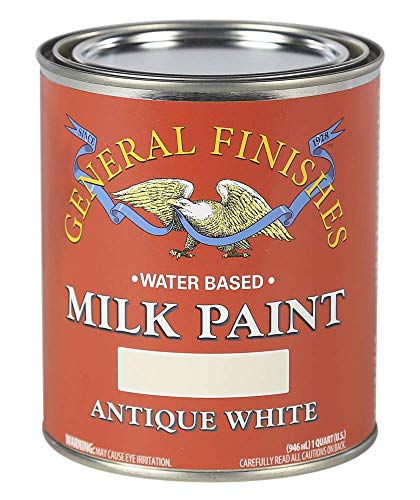
This water-based milk paint in Antique White offers a smooth, durable finish for walls that ages beautifully with time. It dries quickly without yellowing, making it ideal for classic, rustic styles. The low odor and easy cleanup keep the process simple, perfect for DIYers who want a timeless look without harsh chemicals.
It’s perfect for walls needing a vintage charm—whether you’re restoring old homes or creating a fresh antique aesthetic. The paint adheres well to drywall and wood, blending seamlessly into projects that demand a handcrafted feel.
10. Real Milk Paint Wood
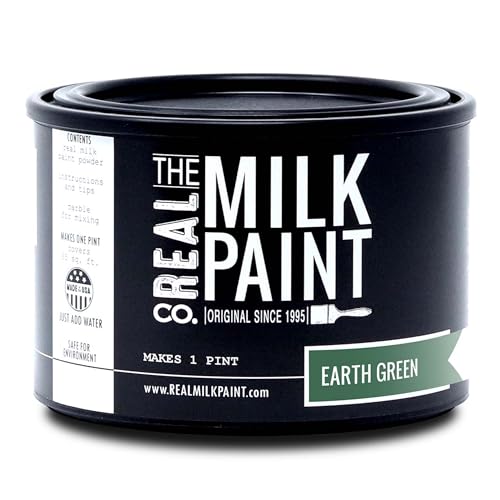
This organic, no-VOC milk paint delivers a smooth, breathable finish for walls that ages beautifully with a soft patina. It’s ideal for historic charm or modern minimalism, offering deep color retention and gentle adhesion without harsh chemicals. Perfect for textured walls or plaster, it won’t yellow over time like traditional paints.
For walls needing durability yet a natural look, this matte finish provides a subtle sheen that resists dirt while keeping interiors cool. Its water-based formula dries quickly and cleans easily, making it practical for DIY projects. The earthy tone blends seamlessly with organic textures, enhancing rustic or farmhouse aesthetics.
How to Apply Milk Paint on Walls
Step 1: Prepare the Surface
Clean the wall thoroughly and remove any dust, grease, or peeling paint. Light sanding may be needed for smoother surfaces.
Step 2: Mix the Paint
If using powdered milk paint, mix it with water according to the manufacturer’s instructions until you get a consistent texture.
Step 3: Apply the First Coat
Use a brush or roller to apply a thin, even coat. Don’t worry about slight streaks—they contribute to the final look.
Step 4: Add Additional Coats
Apply 2–3 coats depending on the desired coverage and depth.
Step 5: Seal the Surface
Finish with wax, oil, or a clear sealer to protect the paint and enhance durability.
Design Ideas for Milk Paint Walls
- Create a distressed, aged look for a rustic interior
- Use soft neutral tones for a calming atmosphere
- Apply on accent walls to add texture without overwhelming the room
- Pair with natural materials like wood and linen for a cohesive design
Milk paint works best when you embrace its imperfect, handcrafted appearance.
Is Milk Paint Right for Your Walls?
Milk paint is ideal if you value natural materials and unique finishes. It’s a great option for decorative spaces where aesthetics matter more than heavy-duty durability.
However, for kitchens, bathrooms, or high-traffic areas, conventional paint may be a more practical choice unless properly sealed.
FAQs
1. Does milk paint last on walls?
Yes, but it requires sealing to improve durability and resistance to wear.
2. Can you use milk paint over existing paint?
Yes, but adhesion may vary. A bonding agent or light sanding can help.
3. Is milk paint washable?
Not by default. A protective topcoat is needed to make it more washable.