
What is looked for in a home inspection
Disclosure: As an Amazon Associate, we earn from qualifying purchases at no extra cost to you. This post may contain affiliate links, meaning we may receive a small commission if you make a purchase through them.
Hey everyone, I’ve been writing about real estate and home stuff for years now, and one question that comes up all the time from buyers is what exactly goes into a home inspection. If you’re in the market for a house, this is crucial because the inspection can make or break the deal. It’s basically a professional’s detailed look at the property’s condition, focusing on major systems and structural elements. Inspectors don’t tear things apart; it’s all visual and non-invasive, but they cover a lot of ground.
The whole process usually follows standards from groups like ASHI or InterNACHI, which outline the minimum of what gets checked. Most inspections take 2-4 hours depending on the size of the house, and you’ll get a report with photos and notes on anything that’s not up to par.
Let’s break it down by the main areas inspectors focus on.
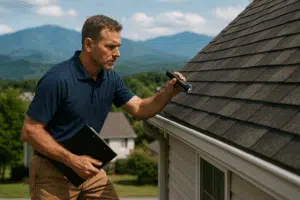
First up is the roof. They climb up there if it’s safe and check the shingles or whatever covering is on it for wear, missing pieces, or damage. They’ll look at flashing around chimneys and vents, gutters, downspouts, and chimneys too. The goal is to spot leaks or potential problems that could lead to water damage inside.
Next, the exterior. This includes siding, brick, stucco—whatever the outside walls are made of—for cracks, rot, or peeling. Windows and doors get checked for seals, operation, and any signs of water intrusion. They’ll walk around looking at the grading, meaning how the ground slopes away from the house to make sure water drains properly, plus decks, porches, driveways, and walkways for safety issues like uneven surfaces or loose railings.
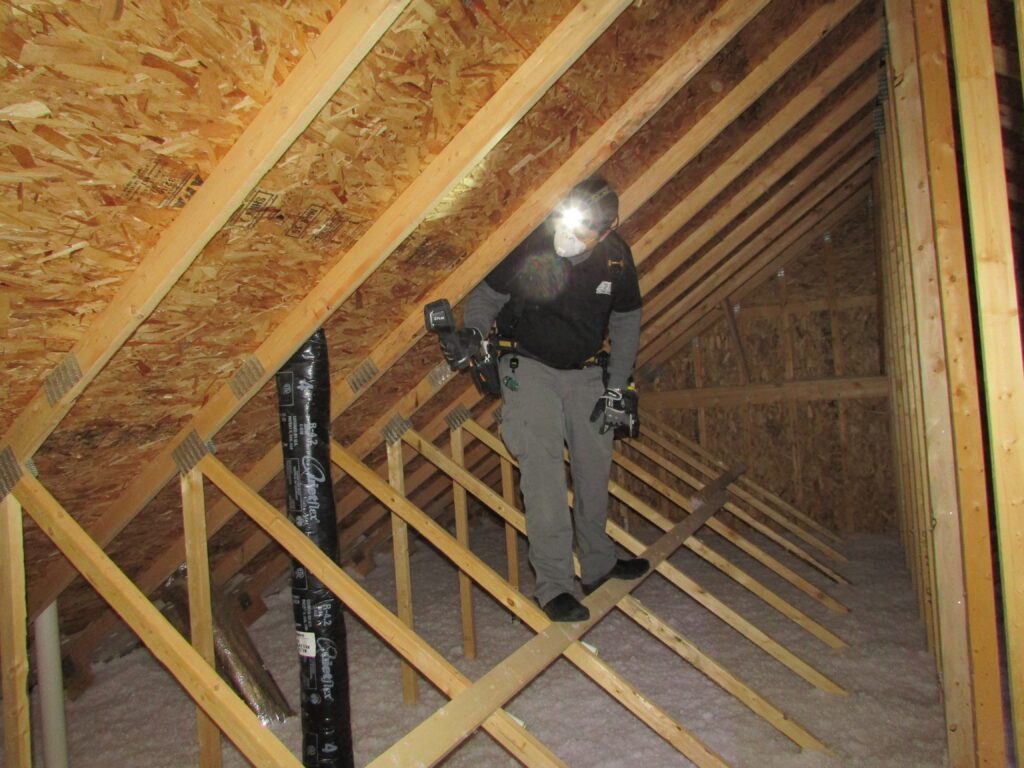
Then comes the foundation and structure. Inspectors examine the basement or crawl space if there is one, looking for cracks in the foundation walls, signs of settling, water damage, or pest issues. Up in the attic, they check framing, insulation levels, ventilation, and any evidence of leaks or animal activity.
Plumbing is a big one. They run water in sinks, showers, and tubs to check pressure and drainage. Toilets get flushed multiple times. They’ll look under sinks for leaks, check the water heater for age and condition, and note the type of pipes—whether it’s copper, PEX, or older stuff like galvanized that might need replacing soon.
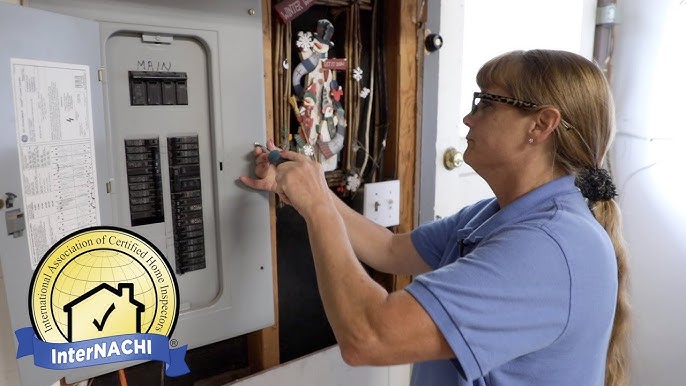
Electrical system gets a thorough once-over. The panel is opened to check for proper wiring, double-taps, outdated fuses, or aluminum wiring which can be a fire hazard. Outlets and switches are tested, especially for grounding, and they make sure there are GFCI outlets in wet areas like kitchens and bathrooms.
Heating and cooling—HVAC—is tested by running the system to see if it heats or cools properly. Filters, ducts, and the furnace or AC unit age are noted. If it’s a fireplace, the damper and chimney get inspected for creosote buildup or cracks.
Inside the house, walls, ceilings, floors for cracks or water stains. Stairs and railings for stability. Windows and doors again from the inside for operation. Appliances like stove, dishwasher, and built-ins are run through basic cycles if they’re staying with the house.
Garage gets looked at for door operation, especially the auto-reverse safety feature on openers, and any fire separation from the house.
They also check built-in safety stuff: smoke and carbon monoxide detectors placement and function, plus any obvious hazards.
Inspectors don’t usually cover things like pests (that’s a separate wood-destroying insect report), radon, mold testing, septic systems, or wells unless you add those on. Pools, sprinklers, or outbuildings might be extra too.
At the end, the report highlights major defects—stuff that’s unsafe, near end of life, or costly to fix—along with minor things and maintenance recommendations. It’s not pass/fail; every house has issues, even new ones.
If you’re buying, always attend the inspection if you can. Walk with the inspector, ask questions—it helps you understand the house better. And remember, a good inspection gives you leverage to negotiate repairs or price, or walk away if it’s a money pit.
That’s the rundown on what gets looked at in a standard home inspection. Costs run around $300-500 depending on where you are and the house size, but it’s money well spent. If you’ve got specific questions about your area or a certain type of house, drop a comment.
