
What is a spec home

Disclosure: As an Amazon Associate, we earn from qualifying purchases at no extra cost to you. This post may contain affiliate links, meaning we may receive a small commission if you make a purchase through them.
Hey folks, I’ve been writing about real estate and home building for years now, and one question that keeps coming up is what exactly a spec home is. Let’s break it down straight.
A spec home, short for speculative home, is a brand-new house that a builder constructs without having a specific buyer lined up ahead of time. The builder picks the lot, chooses the floor plan, selects all the finishes like cabinets, flooring, countertops, and appliances, and builds the whole thing on the bet that someone will want to buy it once it’s done or close to done. They’re often called inventory homes or move-in-ready homes too.
Builders do this because it lets them get ahead on construction in hot markets or subdivisions. They research what’s selling well in the area—popular layouts, trendy features like open kitchens or energy-efficient stuff—and build to match that. It’s not some cheap throw-together; good builders put real effort into making them appealing with modern designs and solid quality to move them fast.
These are some typical modern spec home exteriors you’ll see out there.
Now, how do they differ from other new builds? The big one is custom homes, where you as the buyer work with the builder or architect from the start. You pick everything—the lot if you want, the exact plan, materials, all of it. It’s built for you specifically, so it’s unique, but it takes longer, usually 6 to 12 months or more, and costs more because of all the custom choices and changes along the way.
Spec homes are the opposite: faster timeline, often ready in a few months or already finished, and priced lower per square foot since the builder buys materials in bulk and sticks to proven plans. There’s also semi-custom, where you might start with a base plan and tweak some things, or tract homes in big subdivisions that are more cookie-cutter and basic.
On the inside, spec homes usually have current trends: open floor plans, quartz counters, stainless appliances, good lighting. Builders aim broad to attract most buyers.
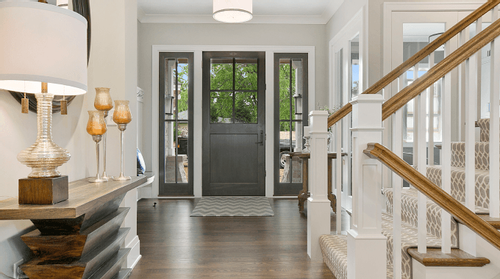
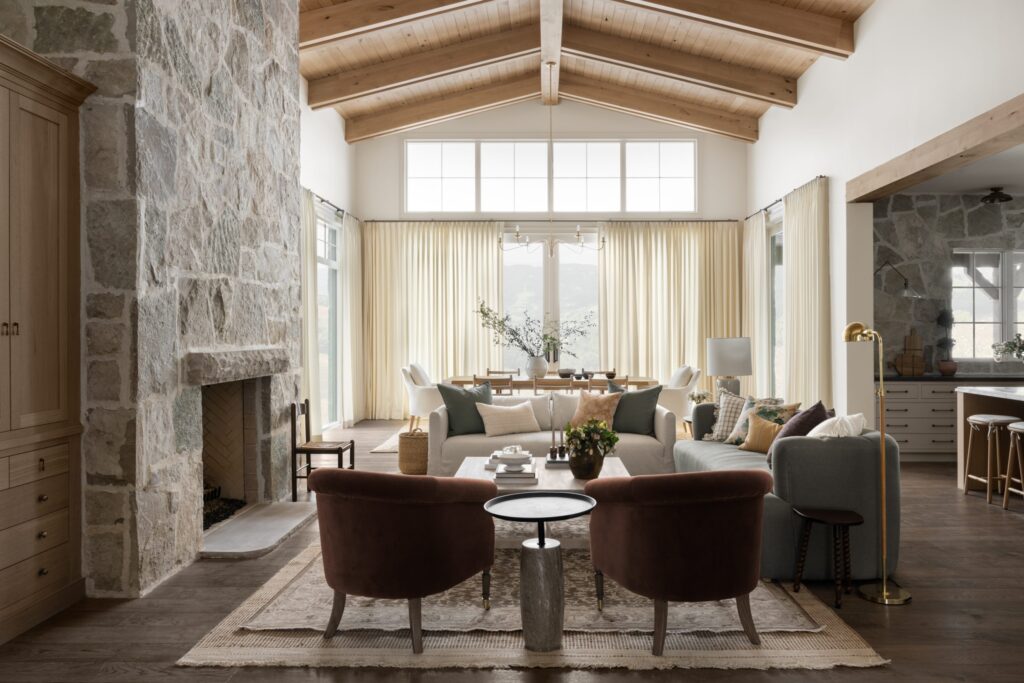
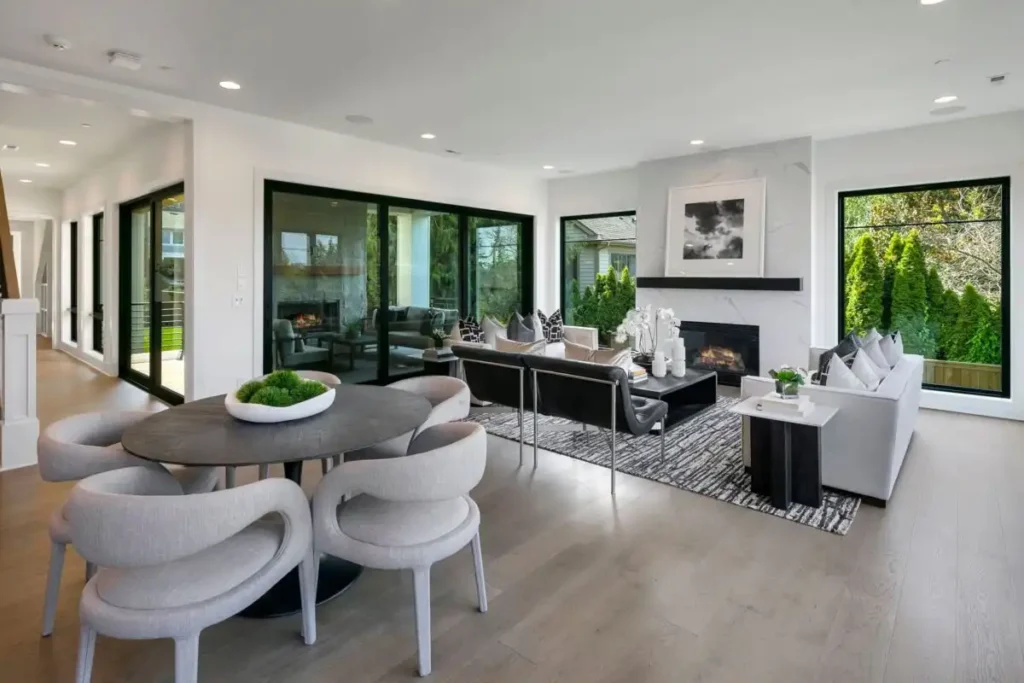
That’s the kind of clean, updated interiors you get in a lot of newly built spec homes.
If you’re buying one, the upsides are huge if you need to move quick—like for a job relocation or selling your old place fast. You walk in, see exactly what you’re getting, no waiting through construction dust and delays. Everything’s new, warranties often cover systems and structure for years, lower maintenance at first, and usually cheaper than building custom. Plus, no decision overload on a thousand choices.
Downsides: limited personalization. If it’s finished, you’re stuck with the builder’s picks—if you hate the paint or fixtures, you’ll change them later on your own dime. Location is fixed too; you can’t choose the perfect lot. Sometimes they feel a bit generic compared to fully custom. And in a slow market, builders might cut corners on upgrades to keep costs down, though reputable ones don’t.
Construction-wise, builders start these on their own risk.
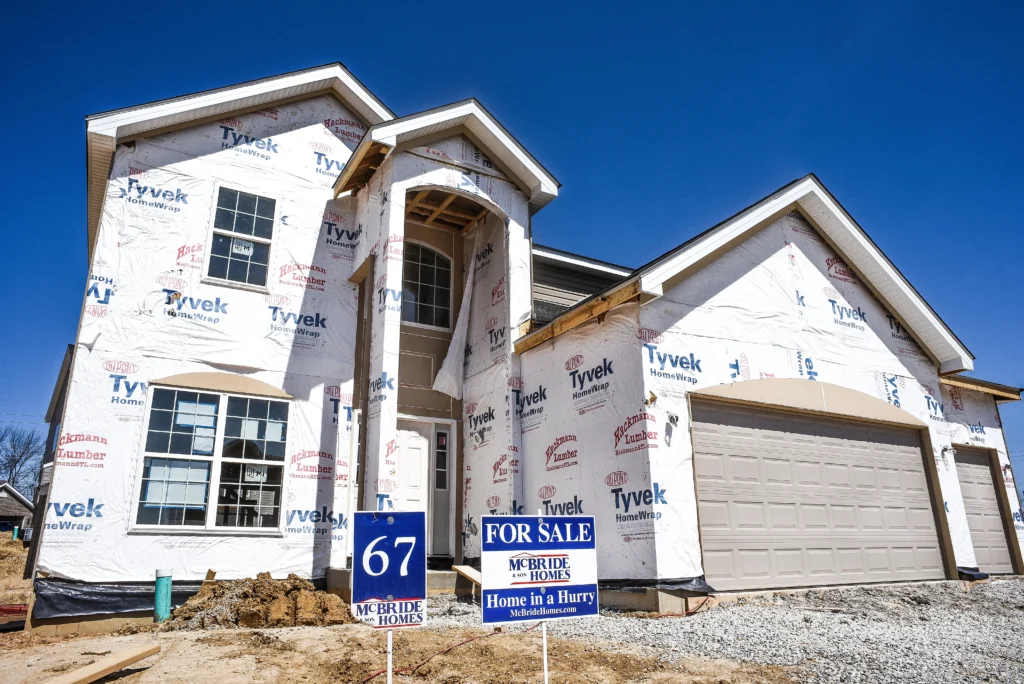
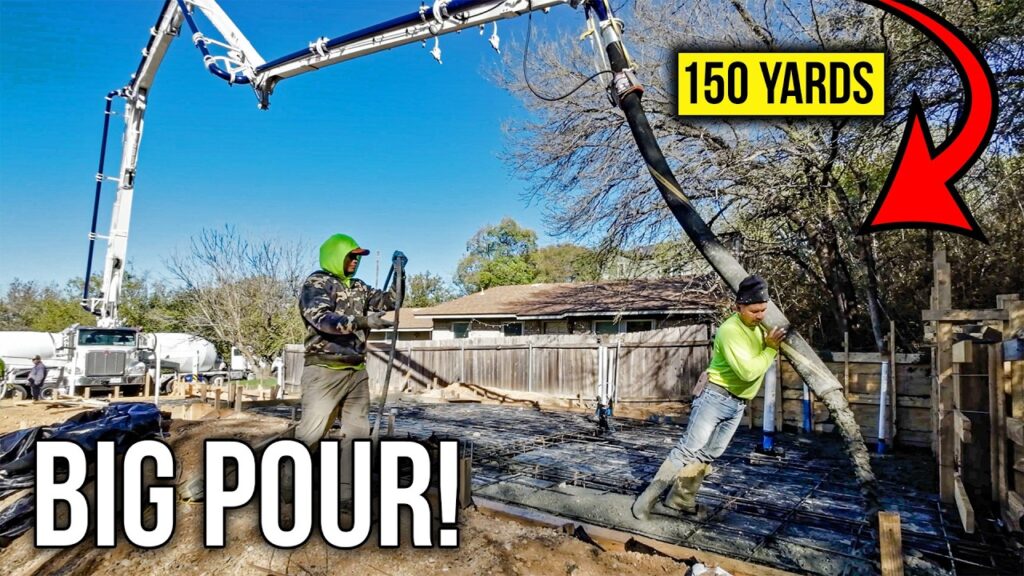
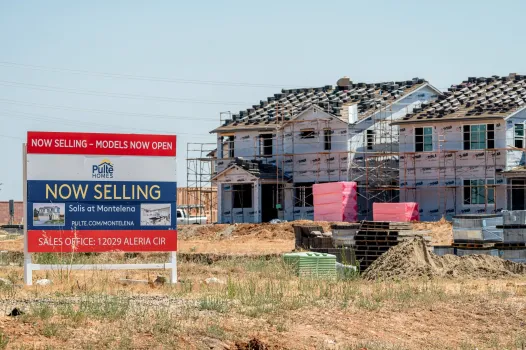
Here’s what spec home sites look like mid-build.
They finance it through construction loans, build efficiently, and list it on the market, often through real estate agents or their own sales team. If it sells early in the process, you might negotiate some changes, but mostly it’s as-is.
Overall, spec homes make up a big chunk of new construction sales these days because life moves fast and not everyone has time for a full custom build. If you’re practical and like modern without the hassle, they’re a solid option. Just vet the builder’s reputation, get a thorough inspection even on new builds, and you’re good. I’ve seen plenty of families happy in them for years.
